
Our content is for education only and is not personal financial advice. Some links may earn us a commission at no cost to you, which never affects our recommendations.
Key takeaways
- Understand the benefits of cash-back cards.
- Explore the value of travel rewards cards.
- Learn how to choose the right card for your needs.
- Consider your spending habits and goals.
When it comes to credit cards, two popular categories are cash-back and travel rewards cards. Both options offer unique advantages and can help you maximize your spending. However, choosing the right one depends on your personal spending habits and financial goals.
This guide will explore the key differences between cash-back and travel rewards credit cards. By the end, you’ll have a clearer understanding of which option might be best for you.
Understanding the nuances of these credit card types is essential for making informed financial decisions. Whether you’re looking to earn rewards for everyday purchases or plan your next vacation, knowing the benefits and drawbacks of each will help you choose wisely.
What Are Cash-Back Credit Cards?
Cash-back credit cards allow you to earn a percentage of your purchases back as cash. This cash can be redeemed in various ways, such as statement credits, direct deposits, or gift cards. The percentage of cash back you earn typically ranges from 1% to 5%, depending on the type of purchase.
There are different categories of cash-back cards. Some offer a flat rate on all purchases, while others offer tiered rates that provide higher cash back for specific categories like groceries, gas, or dining out. For example, a card might offer 1.5% cash back on all purchases but 3% on groceries.
- Flat-rate cash-back cards: These cards provide a consistent cash-back percentage on all purchases, making them easy to use.
- Tiered cash-back cards: These cards offer different cash-back rates based on purchase categories, allowing you to maximize rewards based on where you spend most.
- Rotating category cards: Some cards feature rotating categories that change every quarter, offering higher cash back in specific categories for a limited time.
What Are Travel Rewards Credit Cards?
Travel rewards credit cards are designed for those who frequently travel, allowing cardholders to earn points or miles for their purchases. These rewards can typically be redeemed for flights, hotel stays, car rentals, and other travel-related expenses.
Travel rewards cards often have partnerships with airlines and hotel chains, giving you access to exclusive benefits such as free checked bags, priority boarding, and room upgrades. Points or miles earned can also be transferred to various loyalty programs, enhancing their value.
- Airline-specific cards: These cards offer benefits tailored to a particular airline, making them ideal for frequent flyers of that airline.
- General travel rewards cards: These cards offer flexible points that can be redeemed across various travel-related expenses, including multiple airlines and hotel chains.
- Sign-up bonuses: Many travel rewards cards provide substantial sign-up bonuses, which can significantly boost your rewards when you meet a spending threshold in the first few months.
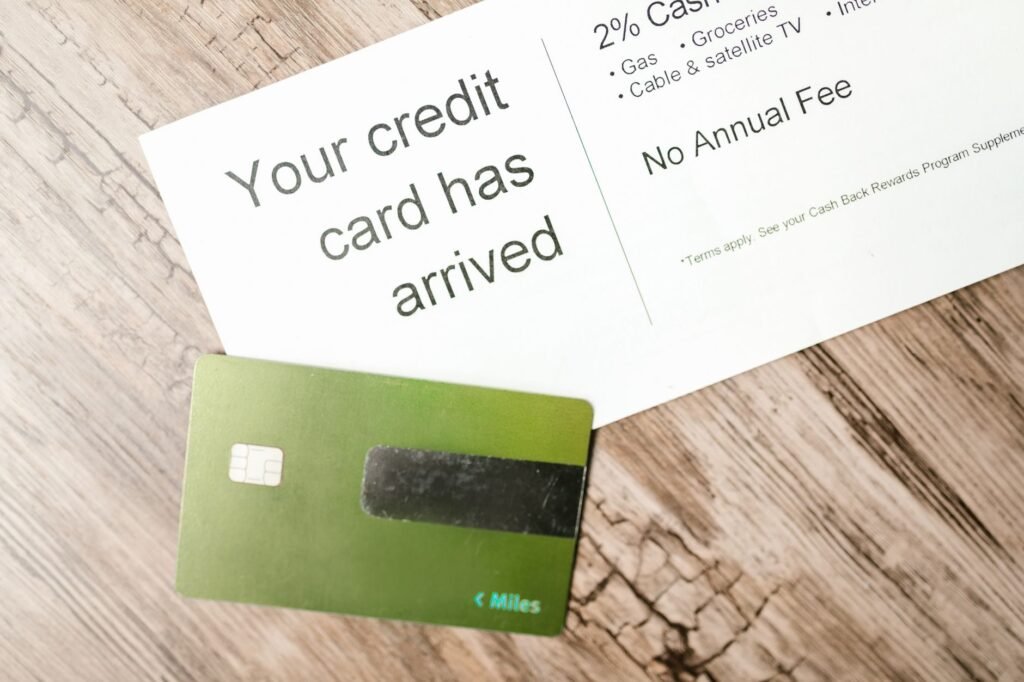
Comparing Cash-Back and Travel Rewards Cards
When deciding between cash-back and travel rewards cards, it’s essential to evaluate both options based on your spending habits and lifestyle. Here are some factors to consider:
| Feature | Cash-Back Cards | Travel Rewards Cards |
|---|---|---|
| Ease of Use | Simple, straightforward cash rewards. | Can be complex with points and miles systems. |
| Redemption Options | Cash, statement credit, or gift cards. | Flights, hotels, and travel-related expenses. |
| Annual Fees | Often no annual fee; some may charge. | Many have annual fees that can be offset by travel rewards. |
| Sign-up Bonuses | Moderate bonuses for new cardholders. | Often higher bonuses, especially for travel. |
Choosing the Right Card for Your Needs
Choosing between cash-back and travel rewards credit cards requires a thorough assessment of your financial habits. Start by asking yourself these questions:
- How often do you travel? If you travel frequently, a travel rewards card may provide significant benefits, including earning points for trips and enjoying travel perks.
- What do you spend the most on? If a significant portion of your spending is on groceries or gas, a cash-back card may be more beneficial, especially if it offers higher percentages for those categories.
- Do you want flexibility or specific rewards? Cash-back cards provide immediate and flexible rewards, while travel rewards cards may require more planning to maximize benefits.
Once you’ve answered these questions, you can narrow down your options based on the features and rewards that align best with your lifestyle.

Understanding the Value of Rewards
Understanding how to calculate the value of cash-back and travel rewards can help you make a more informed decision. Here’s how to evaluate the worth of your rewards:
- Cash-Back Value: If a card offers 2% cash back on a $1,000 purchase, you earn $20. This is straightforward and easy to calculate.
- Travel Rewards Value: Travel rewards are typically valued based on how much you can redeem them for. A point might be worth $0.01 to $0.02, depending on the redemption options. For instance, if you have 50,000 points and redeem them for a flight worth $600, each point is worth $0.012.
- Estimating Your Earnings: To determine which card is more beneficial, calculate your potential earnings based on your spending habits. If you spend $500 a month on groceries with a card offering 3% cash back, you’ll earn $18 a year. Compare that to a travel card with a 2x points offer on groceries for the same amount spent.
Fees and Interest Rates
When selecting a credit card, be mindful of potential fees and interest rates. Some cards come with annual fees, which might be justified by the rewards you earn. However, if you’re not maximizing your benefits, the fees could outweigh the advantages.
Interest rates are another crucial factor. If you carry a balance, high-interest rates can negate any rewards you earn. Aim to pay off your balance in full each month to avoid interest charges.
- Annual Fees: Review the card’s annual fee and consider if the rewards justifies the cost.
- APR: Look for cards with lower annual percentage rates (APR) if you anticipate carrying a balance.
- Foreign Transaction Fees: If you travel abroad, consider cards that waive these fees to save money on purchases overseas.
Using Rewards Effectively
To maximize the value of either type of card, consider these strategies:
- Plan Your Purchases: Use the card that offers the best rewards for specific purchases. For example, use a cash-back card for groceries and a travel card for booking flights.
- Take Advantage of Bonuses: Pay attention to sign-up bonuses and promotional offers. Meeting the spending requirement for a bonus can significantly enhance your rewards.
- Combine Rewards: If you have both types of cards, strategically use them to maximize your overall rewards. For instance, you could earn cash back on everyday purchases and save your travel card for vacation-related expenses.
Understanding Bonus Categories
What Are Bonus Categories?
Bonus categories are specific spending categories that earn higher rewards rates than standard purchases. Many cash-back and travel rewards credit cards offer rotating or fixed bonus categories, allowing cardholders to maximize their rewards. For example, a cash-back card might offer 5% back on groceries, while a travel rewards card might provide 3 points per dollar spent on dining out.
These categories can vary significantly between different credit cards and might change every quarter or remain static for a year. Understanding how these categories work is crucial for optimizing your earnings. Here are some common bonus categories:
- Groceries
- Dining
- Gas stations
- Travel purchases
- Online shopping
How to Maximize Bonus Categories
To fully leverage bonus categories, it helps to plan your spending around them. This can involve adjusting your budget to favor these categories when they are active. For instance, if your card offers 5% back on groceries for a certain quarter, you might want to stock up on non-perishable items during that time.
Another effective strategy is to combine cards. You can use a cash-back card with high rewards in one category alongside a travel rewards card in another. This dual-card strategy allows you to earn maximum rewards across different spending categories. Keep track of the bonus categories and their activation periods to ensure you don’t miss out on potential rewards.
Rotating vs. Fixed Bonus Categories
When selecting a credit card, consider whether it offers rotating or fixed bonus categories. Rotating categories change every few months and require cardholders to opt-in to earn the higher rewards. On the other hand, fixed categories offer consistent rewards throughout the year.
Each type has its own advantages and disadvantages. Rotating categories can provide higher rewards but may require more attention and planning. Fixed categories offer stability, making it easier to predict your earnings. Think about your spending habits and how much effort you want to put into managing your rewards.
Impact of Credit Card Rewards on Travel Planning
Using Rewards for Travel Expenses
Travel rewards credit cards can significantly impact your travel planning by allowing you to cover various travel-related expenses. While many people focus on redeeming points for flights and hotel stays, these rewards can also be used for car rentals, travel insurance, and even experiences like tours or excursions.
When planning a vacation, consider all the potential costs you can offset with your rewards points. This broadens the scope of what you can achieve with your credit card rewards. Make sure to assess the best redemption options available to you, as some may offer better value than others.
How to Plan a Trip with Credit Card Rewards
To effectively plan a trip using credit card rewards, start by determining your destination and the types of expenses you are likely to incur. Here is a step-by-step approach:
- Identify the best travel rewards card that aligns with your travel goals.
- Check the rewards balance and what you can redeem them for.
- Look for promotional offers or partners that might increase the value of your points.
- Plan flexible travel dates to take advantage of lower redemption rates.
- Book in advance to ensure availability, especially for popular destinations.
This structured planning can help you maximize your travel rewards and minimize out-of-pocket expenses.
Rewards and Loyalty Programs
Many airlines and hotel chains offer loyalty programs that can complement your travel rewards credit cards. By linking your credit card to these programs, you can often earn additional benefits such as bonus miles, priority boarding, or room upgrades. This synergy can lead to a more enjoyable travel experience.
When evaluating loyalty programs, consider the following:
- How easy it is to earn points or miles.
- The value of the rewards compared to other options.
- The availability of partners for redeeming rewards.
- The benefits of elite status, which might require certain spending thresholds.
Utilizing both a travel rewards card and a hotel loyalty program can enhance your travel experience significantly, leading to more savings and comforts on your journeys.
The Role of Credit Scores in Reward Card Selection
Understanding Credit Scores
Your credit score plays a critical role in determining the types of credit cards you can qualify for. A higher credit score generally opens the door to better rewards programs, lower interest rates, and more favorable terms. Most credit card companies use scores from 300 to 850, with scores above 700 typically considered good.
When applying for a new rewards credit card, you should check your credit score and understand how it may impact your application. A poor credit score could lead to higher interest rates or even denial of your application, limiting your options.
Improving Your Credit Score
If you’re looking to qualify for a premium rewards card, improving your credit score is essential. Here are some actionable steps you can take:
- Pay your bills on time to maintain a positive payment history.
- Reduce your credit utilization ratio by paying down existing debts.
- Check your credit report for errors and dispute any inaccuracies.
- Avoid opening new accounts or making large purchases before applying for a card.
Taking these steps can enhance your creditworthiness and open up more lucrative credit card options.
Choosing Cards Based on Credit Score Tier
When selecting a credit card, it is beneficial to consider your credit score tier. Cards are often categorized into tiers such as:
- Excellent (740-850)
- Good (700-739)
- Fair (640-699)
- Poor (below 640)
Depending on your credit score, you may find that some cards are more accessible than others. Excellent credit allows for a wider selection of travel and cash-back cards with premium benefits. Conversely, those with lower credit scores may need to focus on cards designed for rebuilding credit, which might feature lower rewards but can assist in improving credit scores over time.
Stay aware of common credit card pitfalls to make the most of your rewards.
- Not understanding the card's fee structure, leading to unexpected costs.
- Failing to pay off balances in full and accruing high interest charges.
- Ignoring the redemption options and losing out on maximizing rewards.
- Overlooking bonus categories that could enhance earnings.
- Not checking for foreign transaction fees when traveling abroad.
Frequently Asked Questions
1. Are cash-back rewards taxable?
Generally, cash-back rewards are not considered taxable income. However, if you earn cash back through a business credit card, it may be treated differently. Always consult a tax professional for personalized advice.
2. Can I transfer points from a travel rewards card?
Many travel rewards cards allow you to transfer points to partner airlines or hotels, offering greater flexibility in redeeming your rewards. Check the specific card’s terms for transfer options.
3. Do cash-back cards have foreign transaction fees?
Some cash-back cards do have foreign transaction fees, while others do not. Review the card’s terms to understand any fees associated with international purchases.
4. How do I choose between cash-back and travel rewards cards?
Consider your spending habits, travel frequency, and preferences for redeeming rewards. If you travel often, a travel rewards card may offer better benefits, while a cash-back card is ideal for everyday spending.
The Bottom Line
Choosing between cash-back and travel rewards credit cards depends on your financial habits and goals. Cash-back cards provide straightforward rewards that can be used flexibly, while travel rewards cards cater to frequent travelers with benefits that can enhance your travel experience. Assess your spending patterns and preferences to determine which type of card aligns best with your lifestyle.
Sources and further reading

Peter Igunnu
Peter Igunnu is the founder and editor of GuideToYourMoney. He holds a PhD in Banking and Finance, with research covering financial inclusion, green finance and AI in finance. He writes to make money decisions simpler for everyday readers.