Our content is for education only and is not personal financial advice. Some links may earn us a commission at no cost to you, which never affects our recommendations.
Key takeaways
- Learn how different rewards programs operate.
- Understand point systems and redemption rules.
- Maximize rewards through strategic spending.
- Evaluate the pros and cons of rewards programs.
Rewards programs have become a popular feature offered by many credit cards and loyalty schemes. These programs are designed to incentivize customers to spend more by providing them with benefits such as points, cash back, or travel perks. Understanding how rewards programs work can help you make informed financial decisions and maximize the value you receive from your spending.
In this guide, we will explore how these programs function, the various types available, and strategies to make the most of them. With the right approach, you can turn everyday purchases into valuable rewards that enhance your financial well-being.
Before diving into the specifics, it’s essential to understand that not all rewards programs are created equal. Some may align better with your spending habits than others, and knowing the details can help you choose wisely.
Types of Rewards Programs
Rewards programs can generally be categorized into three main types: cash back, travel rewards, and points-based systems. Each type has unique features that cater to different consumer preferences.
Cash Back Rewards
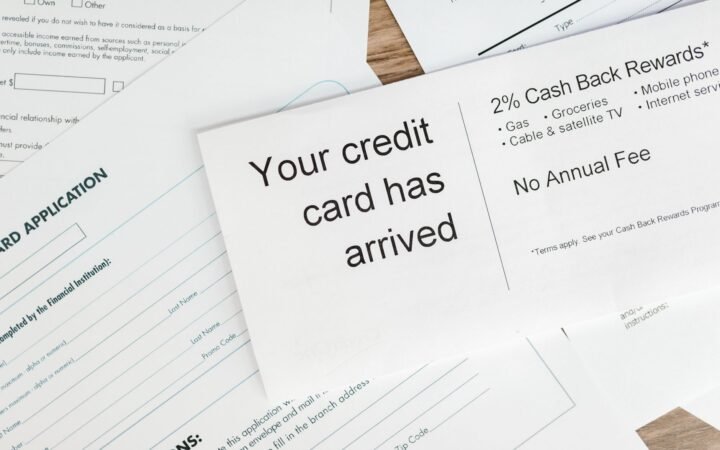
Cash back rewards are straightforward. With this program, you earn a percentage of your spending back in cash. For instance, a card might offer 1.5% cash back on all purchases, meaning that for every $100 spent, you receive $1.50 back. This type of reward is particularly appealing for those who prefer simplicity and immediate gratification.
- Benefits: Cash back rewards are easy to understand and redeem. You can often apply your cash back directly to your statement or receive it as a direct deposit.
- Considerations: Some cash back cards may have limits on how much you can earn in certain categories or may require a minimum balance before redemption.
- Best for: Consumers who want a straightforward rewards system without the need for complex point calculations.
Travel Rewards
Travel rewards programs offer points that can be redeemed for flights, hotel stays, and other travel-related expenses. This type of program is ideal for frequent travelers looking to maximize their benefits during their journeys.
- Benefits: Travel rewards can often provide more value per point compared to cash back, especially when redeemed for flights or hotel upgrades.
- Considerations: Rewards may come with restrictions, such as blackout dates for flights or hotel availability.
- Best for: Travelers who consistently spend money on travel-related expenses and can take advantage of travel-related perks.
Points-Based Systems
Points-based systems allow you to earn points for every dollar spent. These points can often be redeemed for various rewards, including merchandise, gift cards, or even cash. Some credit cards allow you to transfer these points to travel partners for added flexibility.
- Benefits: Points can be extremely versatile, allowing for a wide range of redemption options.
- Considerations: The value of points can fluctuate depending on how and when you redeem them. You may need to track expiration dates closely.
- Best for: Consumers who enjoy a variety of rewards and are willing to engage in some strategy to maximize value.
How Rewards Programs Work
Understanding the mechanics behind rewards programs is crucial for making the most out of them. Here are the key components that dictate how rewards are earned and redeemed.
Earning Rewards
Rewards are typically earned based on your spending. Each program has its own earning structure, which dictates how many points or cash back you receive per dollar spent. Common structures include:
- Flat Rate: A consistent percentage back on all purchases (e.g., 1.5% on every dollar).
- Tiered Rates: Higher rewards for specific categories (e.g., 3% on groceries, 2% on dining, and 1% on everything else).
- Bonus Categories: Limited-time offers that provide additional points for spending in certain areas.
Redeeming Rewards
Once you’ve accumulated rewards, the next step is redemption. This process varies widely between programs:
- Cash Back: Typically straightforward; however, some cards require you to reach a minimum threshold before redeeming.
- Travel Rewards: Redeeming points for travel can involve searching for available flights or hotel rooms, often through a dedicated portal.
- Points: Depending on the program, points may be redeemed for gift cards, merchandise, or transferred to partners, each with its own set of rules.
Expiration and Limits
Most rewards programs have rules regarding expiration and limits on earning. It’s essential to familiarize yourself with these aspects to avoid losing out on rewards:
- Expiration: Many programs require you to redeem points within a certain time frame, while others may allow points to carry over indefinitely if your account remains active.
- Caps: Some programs limit the total rewards you can earn in a given period or in specific categories.
- Account Activity: Inactive accounts may forfeit points or be subject to penalties.
Strategies to Maximize Rewards
To truly benefit from rewards programs, implement strategies that align with your spending habits. Here are some practical tips:
Know Your Spending Habits
Before choosing a rewards program, analyze your monthly expenses. Identify categories where you spend the most, whether it’s groceries, dining, or travel. This insight will guide you in selecting a card that maximizes your rewards.
Utilize Sign-Up Bonuses
Many credit cards offer substantial sign-up bonuses for new applicants. These bonuses can significantly boost your rewards if you meet the spending requirement within the initial period. Consider applying for a card that aligns with your spending and offers an attractive bonus.
Combine Programs
Some individuals find value in combining multiple rewards programs. For instance, using a cash back card for everyday purchases while leveraging a travel rewards card for travel expenses can maximize benefits across both categories. Just be mindful of managing multiple accounts and keeping track of rewards.
Evaluating the Pros and Cons of Rewards Programs
Like anything else, rewards programs come with their own set of advantages and disadvantages. Understanding these can help you decide whether participating is worth it.
Pros
- Value: When used strategically, rewards can lead to substantial savings or benefits.
- Incentives: Rewards programs encourage spending in a way that can lead to additional perks.
- Flexibility: Many programs allow for versatile redemption options, catering to different needs and preferences.
Cons
- Complexity: Some programs have intricate rules that can be challenging to navigate.
- Overspending Risk: The allure of rewards may lead to unnecessary spending, negating any benefits gained.
- Fees: Certain rewards cards come with annual fees that could outweigh the benefits received from the rewards.
Understanding the Psychology Behind Rewards Programs
The Allure of Instant Gratification
Rewards programs are grounded in behavioral psychology, particularly the concept of instant gratification. This phenomenon occurs when consumers receive a reward immediately after a purchase, making them feel good about their spending. The immediate feedback loop reinforces the behavior, encouraging repeat transactions. For example, receiving points or cashback right after a purchase can evoke a sense of pleasure, leading individuals to spend more than they might otherwise.
Moreover, the anticipation of earning rewards can create a powerful psychological pull. This anticipation can lead consumers to prioritize stores or brands that offer a rewards program over those that do not, even if the price is higher. The immediate benefit of earning rewards can overshadow the cost implications, leading to a cycle of spending driven by perceived value rather than actual necessity.
The Role of FOMO (Fear of Missing Out)
FOMO plays a significant role in how rewards programs influence consumer behavior. Many programs offer limited-time promotions or tiered rewards, creating a sense of urgency. This urgency can compel individuals to make purchases they might not have considered otherwise, driven by the fear of missing out on potential rewards. By leveraging FOMO, companies can effectively boost sales and encourage customer loyalty.
- Limited-time offers: These promotions can drive quick decisions.
- Exclusive access: Members may feel special when given early access to sales or products.
- Tiered rewards: These can incentivize higher spending to reach the next reward level.
Consumers should be aware of how FOMO can lead to impulsive spending. Planning purchases and setting limits can help mitigate the risks associated with emotional spending driven by rewards programs.
Social Influence and Community Engagement
Social influence significantly impacts the success of rewards programs. Many companies leverage social media to create a sense of community among members. This community aspect can lead to increased engagement and loyalty. When individuals see their peers benefiting from a rewards program, they are more likely to participate themselves. This social proof can amplify the appeal of rewards programs.
Engagement can also be enhanced through gamification, where customers earn badges or levels for participation. This strategy not only makes the rewards experience more enjoyable but also fosters a sense of belonging among participants. As customers share their experiences and achievements on social media, it creates a cycle of engagement that benefits both the individual and the brand.
Understanding the Fine Print: Terms and Conditions of Rewards Programs
Common Pitfalls to Watch For
While rewards programs can offer enticing benefits, it is crucial to read and understand the terms and conditions associated with them. Many consumers overlook fine print, which can lead to misunderstandings and unmet expectations. Common pitfalls include expiration dates on points, blackout dates for redeeming rewards, and restrictions on eligible purchases.
For example, a credit card rewards program might advertise high cashback rates but may have specific categories that qualify. If you do not align your spending with those categories, you may not earn the rewards you anticipated. Additionally, some programs may have annual fees or minimum spending requirements that can negate the benefits of the rewards earned.
- Expiration of points: Many programs have a timeframe in which points must be used.
- Redemption restrictions: Some rewards can only be redeemed for certain products or services.
- Fees associated with the program: Ensure you understand any costs that come with participation.
Understanding Point Valuation
The value of reward points can vary significantly across different programs and redemption options. Understanding how to calculate the value of points can help consumers make informed decisions about where to spend their money. For example, redeeming points for travel may offer a higher value compared to using them for merchandise or gift cards.
To assess point value, consider the following formula: Point Value = (Monetary Value of Reward) / (Number of Points Required). By using this formula, consumers can determine the most lucrative ways to redeem their points. Additionally, keep an eye on promotional offers that may temporarily enhance point value.
- Travel rewards often provide higher value due to partnerships with airlines and hotels.
- Gift cards typically have a fixed redemption value, which may be lower than travel options.
- Cashback can be straightforward but may not always offer the best value compared to other rewards.
Impact of Credit Score on Rewards Programs
Your credit score can impact your eligibility for certain rewards programs, especially those associated with credit cards. Higher credit scores often come with better rewards rates and lower interest rates. Conversely, a lower credit score may limit your options or result in less favorable terms. Understanding this relationship can help you strategize not only for rewards but also for improving your overall financial health.
Furthermore, some rewards programs are designed to encourage responsible credit usage, offering bonuses for on-time payments or maintaining low balances. This can create a cycle where responsible financial behavior leads to better rewards opportunities. Consumers should consider how their financial habits affect not only their credit score but also their ability to maximize rewards.
- Monitoring your credit score regularly can help identify areas for improvement.
- Using credit responsibly can lead to better rewards opportunities.
- Understanding how credit inquiries affect your score can help manage applications for rewards programs.
Rewards Programs and Their Environmental Impact
Sustainability Initiatives within Rewards Programs
As consumers become more environmentally conscious, many rewards programs are incorporating sustainability initiatives. Brands are recognizing that eco-friendly practices can enhance their appeal and attract a loyal customer base. For example, some programs allow customers to earn points for sustainable purchases, such as using reusable shopping bags or opting for digital receipts.
Additionally, companies may partner with environmental organizations to offer rewards for actions that promote sustainability, such as participating in recycling programs or supporting green initiatives. This not only enhances the brand’s image but also encourages consumers to adopt more sustainable habits.
- Earn rewards for eco-friendly purchases.
- Participate in community sustainability events for additional points.
- Support brands that prioritize environmental responsibility.
The Carbon Footprint of Rewards Redemption
While rewards programs can incentivize responsible spending, it is essential to consider the carbon footprint associated with the redemption of rewards. For instance, redeeming points for travel, especially flights, can significantly increase one’s carbon footprint. Consumers should weigh the environmental impact of their redemption choices against the benefits of the rewards earned.
Moreover, some companies are beginning to offset the carbon emissions associated with rewards redemption, investing in carbon offsets or renewable energy projects. As a conscious consumer, you may want to explore whether your preferred rewards programs have such initiatives in place, which can align your spending habits with your values.
- Consider the carbon footprint of travel rewards.
- Look for programs that invest in sustainability.
- Opt for local rewards to reduce environmental impact.
Consumer Responsibility in Rewards Programs
As consumers, we have a responsibility to consider the broader implications of our participation in rewards programs. This includes making informed decisions about spending, understanding the environmental impact, and being mindful of how our choices affect our financial health. By approaching rewards programs with a critical mindset, we can maximize benefits while promoting sustainable consumption patterns.
Engaging with rewards programs should not just be about maximizing points but also about ensuring that our spending aligns with our values and long-term financial goals. By combining awareness with responsible spending practices, consumers can participate in rewards programs that truly work for them.
- Be mindful of your spending habits and their impact.
- Research companies’ sustainability practices.
- Engage with rewards programs that resonate with your values.
Be cautious of the common traps associated with rewards programs.
- Not reading the fine print, leading to misunderstanding of redemption rules.
- Failing to track expiration dates on points or cash back.
- Overspending to chase rewards, negating financial benefits.
- Not utilizing sign-up bonuses effectively due to missed spending thresholds.
- Ignoring annual fees that may outweigh the rewards earned.
Frequently Asked Questions
Are rewards programs worth it?
Rewards programs can be worth it if they align with your spending habits and financial goals. When used wisely, they can provide significant benefits.
How do I choose the best rewards program?
Evaluate your spending patterns and choose a program that offers the highest rewards in your top spending categories. Consider sign-up bonuses and redemption options as well.
Can I transfer rewards to other accounts?
Many rewards programs allow you to transfer points or miles to airline or hotel partners, providing added flexibility for travel rewards. Check the specific program’s rules for details.
What happens to my rewards if I close my account?
Generally, closing an account may result in the loss of any unredeemed rewards. Always check your program’s terms and conditions before making a decision.
The Bottom Line
Rewards programs can provide valuable benefits when managed correctly. Understanding how rewards programs work, the different types available, and how to maximize your rewards can enhance your financial experience. By being strategic and informed, you can turn your everyday purchases into meaningful rewards that contribute to your financial goals.



Sources and further reading

Peter Igunnu
Peter Igunnu is the founder and editor of GuideToYourMoney. He holds a PhD in Banking and Finance, with research covering financial inclusion, green finance and AI in finance. He writes to make money decisions simpler for everyday readers.