
Our content is for education only and is not personal financial advice. Some links may earn us a commission at no cost to you, which never affects our recommendations.
Key takeaways
- Establish a baseline for your savings based on personal needs.
- Consider your monthly expenses when determining savings goals.
- Emergency funds should cover at least 3 to 6 months of living costs.
- Regularly review and adjust your savings strategy.
When it comes to managing finances, one of the most crucial questions you might have is: how much should you keep in savings? Establishing an effective savings strategy is essential for achieving financial stability and peace of mind. Having a well-planned savings strategy can protect you against unforeseen circumstances like job loss, medical emergencies, or major repairs.
Understanding how much to save can be challenging. There’s no one-size-fits-all answer, as each individual’s situation varies based on their financial obligations, income, and personal circumstances. However, this guide will walk you through the key factors to consider when determining your savings needs.
In this article, we will explore different types of savings, how to calculate the right amount for your personal situation, and tips to help you build and maintain your savings. This comprehensive approach will ensure that you are financially prepared for whatever life throws your way.
Why Savings Matter
Having savings is not just about accumulating money; it provides a safety net that allows you to navigate life’s uncertainties. Here are some key reasons why savings matter:
- Financial Security: Savings offer a buffer against unexpected expenses that can disrupt your financial stability.
- Peace of Mind: Knowing you have funds set aside for emergencies can reduce stress and anxiety.
- Investment Opportunities: Having savings enables you to take advantage of investment opportunities that may arise.
Ultimately, savings can empower you to make choices that align with your financial goals, whether it’s buying a home, traveling, or starting a business.
Types of Savings
Before determining how much to save, it’s essential to understand the different types of savings accounts available:
1. Emergency Fund
An emergency fund is designed to cover unexpected expenses, such as medical bills or car repairs. It’s typically recommended to have three to six months’ worth of living expenses saved in this fund.
2. Short-term Savings
Short-term savings are intended for goals you plan to achieve within the next few years, such as a vacation, a down payment on a car, or home renovations. These funds should be easily accessible and may be kept in a high-yield savings account.
3. Long-term Savings
Long-term savings are for future goals that are further away, such as retirement or funding a child’s education. These funds can be invested for growth, often in retirement accounts or other investment vehicles.
How Much Should You Save?
Determining how much you should keep in savings can be influenced by several factors:
- Monthly Expenses: Start by calculating your total monthly expenses. This includes rent or mortgage, utilities, groceries, and any other recurring bills.
- Income Stability: If your income is variable or you’re self-employed, you may want to aim for a larger savings cushion.
- Personal Circumstances: Consider your personal situation, including dependents, debt obligations, and other financial responsibilities.
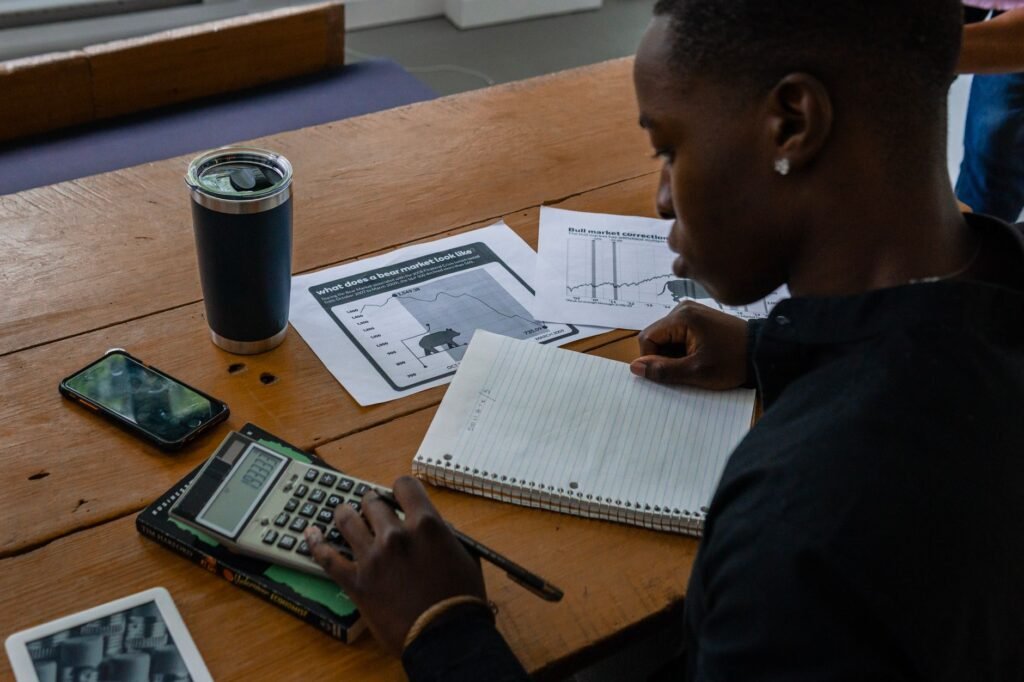
As a general guideline, many financial experts suggest saving at least three to six months’ worth of living expenses in your emergency fund. For example, if your monthly expenses total $3,000, aim to have between $9,000 and $18,000 in your emergency fund.
Strategies to Build Your Savings
Building your savings can be a gradual process. Here are some effective strategies to consider:
1. Create a Budget
A well-structured budget can help you identify areas where you can cut back and redirect those funds into savings. Use the 50/30/20 rule as a guideline:
- 50% for needs (housing, food, utilities)
- 30% for wants (entertainment, dining out)
- 20% for savings and debt repayment
By sticking to this budget, you can systematically increase your savings over time.
2. Automate Your Savings
Consider setting up automatic transfers from your checking account to your savings account. Automating your savings can help you save consistently without having to think about it. You can start with a small amount and gradually increase it as your financial situation improves.
3. Increase Your Income
If possible, look for ways to boost your income through side hustles or freelance work. This additional income can be earmarked specifically for savings. Whether it’s tutoring, pet sitting, or freelance writing, every little bit can help you reach your savings goals faster.

Maintaining Your Savings
After building your savings, it’s vital to maintain it. Here are a few tips:
1. Review Your Savings Regularly
Set aside time each month to review your savings goals and adjust them as necessary. Life changes, such as a new job or having children, may require you to re-evaluate your savings strategy.
2. Stay Disciplined
It can be tempting to dip into your savings for non-emergency expenses. Keep your savings account for its intended purpose. If you need to access funds, be sure to have a valid reason, such as a genuine emergency.
3. Consider Interest Rates
The interest rate on your savings can affect how quickly your money grows. Look for high-yield savings accounts that offer better interest rates than traditional savings accounts. This way, your savings can work harder for you.
Understanding the Psychology of Saving
The Behavioral Aspects of Saving
Understanding the psychological barriers to saving can significantly impact your ability to build an emergency fund. Many individuals struggle with the concept of saving due to immediate gratification needs or fear of missing out (FOMO). This mindset can lead to impulsive spending, making it difficult to set aside money for emergencies. By recognizing these behaviors, you can develop strategies to counteract them and prioritize your savings.
One effective way to combat impulsive spending is to create a system of accountability. This can involve sharing your savings goals with friends or family members who can provide support and encouragement. Additionally, setting up automatic transfers to your savings account can help you save without having to think about it. The less you have to actively manage your savings, the more likely you are to stick to the plan.
Motivating Yourself to Save
Finding motivation to save can often be challenging. One effective method is to visualize your goals by creating a savings vision board. This board can include images and quotes that inspire you to save for your emergency fund. By having a physical representation of your goals, you can remind yourself of the reasons behind your savings efforts.
Another way to maintain motivation is to celebrate small milestones. Instead of waiting until you reach your entire savings goal, set mini-goals along the way. For example, if your goal is to save $5,000, celebrate when you reach $1,000, $2,500, and so on. These celebrations can help you stay focused and engaged in the process.
Overcoming Common Saving Pitfalls
There are several common pitfalls that can derail your savings efforts. Recognizing and addressing them is crucial for maintaining a healthy savings habit. Here are some common issues:
- Procrastination: Delaying your savings plan can lead to missed opportunities. Set a specific date to start saving.
- Underestimating Expenses: Many people fail to account for irregular expenses, leading to budget shortfalls. Track your spending to identify these costs.
- Not Having a Clear Goal: Without a specific target, it can be easy to lose motivation. Define your savings goal and its purpose.
By being aware of these pitfalls, you can create strategies to avoid them and maintain your commitment to saving.
Building an Emergency Fund in Different Life Stages
Young Adults and New Professionals
For young adults entering the workforce, building an emergency fund can seem overwhelming, especially with student loans and other financial obligations. However, starting early can set the foundation for a stable financial future. Aim to save a small percentage of your income, ideally, 10%, even if it means starting with a modest amount.
Consider using a high-yield savings account to make your money work harder while remaining accessible. Even small contributions can add up over time, particularly if you take advantage of employer-sponsored plans or financial apps that help automate savings.
Mid-Career Professionals
As you progress in your career, your financial responsibilities may increase, mortgages, children, and retirement planning can all add complexity. During this stage, it is crucial to reassess your savings goals and adjust your contributions accordingly. If you have not reached a three to six-month savings buffer, this is a good time to prioritize building your emergency fund.
Consider incorporating savings into your monthly budget as a fixed expense. This way, you treat your savings just like any other bill, ensuring that you prioritize it. Additionally, look for opportunities to increase your income, such as side gigs, to boost your emergency fund faster.
Pre-Retirement and Retirement
As you approach retirement, your focus may shift toward preserving your wealth rather than accumulating it. However, maintaining an emergency fund remains important, as unexpected expenses can still arise. At this stage, evaluate your existing savings and determine if your emergency fund needs to be adjusted based on your lifestyle and health considerations.
Retirees should keep their emergency fund liquid and accessible, so it does not interfere with their long-term investments. A good rule of thumb is to have at least six months of living expenses set aside, especially if you are living on a fixed income. Regularly reassess your expenses to ensure your emergency fund remains adequate.
The Role of Insurance in Your Emergency Strategy
Why Insurance Matters
While having an emergency fund is crucial, it’s equally important to have insurance coverage to mitigate financial risks. Insurance can provide a safety net that complements your savings, allowing you to handle larger unexpected expenses without depleting your emergency fund. Types of insurance to consider include health, auto, home, and disability insurance.
Having adequate health insurance can prevent medical bills from draining your emergency fund. Likewise, homeowners or renters insurance can protect against unforeseen damage to your property, such as fire or theft. Understanding the importance of these insurance types can help you maintain your financial stability.
Assessing Your Insurance Needs
Assessing your insurance needs is a critical step in your financial planning process. Start by analyzing your current situation, including your assets, liabilities, and overall risk exposure. Identify areas where you may be underinsured or overinsured.
It’s also a good idea to review your insurance policies annually to ensure they align with your current needs. Life changes, such as marriage, having children, or changing jobs, can all impact your insurance requirements. Taking the time to reassess ensures that you maintain appropriate coverage without spending excessively.
Using Insurance Wisely
Using insurance effectively can help you save money in the long run. Here are some strategies to consider:
- Bundle Insurance Policies: Many providers offer discounts for bundling home and auto insurance.
- Increase Deductibles: Opting for higher deductibles can lower your premiums, but ensure you can cover the deductible if a claim arises.
- Shop Around: Regularly compare quotes from different insurance providers to ensure you’re getting the best deal.
By understanding the role of insurance in your financial strategy, you can enhance your overall emergency preparedness and reduce the reliance on your savings during unexpected events.
Assessing Your Unique Financial Situation
Evaluating Income Stability
Understanding the stability of your income is crucial when determining how much to save for emergencies. If you are self-employed or work in a commission-based job, your income might fluctuate significantly. In such cases, you may want to aim for a larger emergency fund to cover potential income gaps.
Considering Fixed and Variable Expenses
Take a thorough look at your monthly expenses, both fixed (like rent or mortgage) and variable (like groceries or entertainment). By calculating your total monthly expenses, you can better gauge how much savings you would need to cover your essential costs during an emergency. A common rule is to have at least three to six months’ worth of essential expenses saved up.
Life Changes that Impact Savings Needs
Life events can dramatically influence your savings requirements. For instance, welcoming a new child or experiencing job loss may necessitate a larger emergency fund. Create a list of potential life changes that could impact your finances, including:
- Starting a family
- Buying a home
- Changing jobs
- Retirement
Building a Flexible Savings Strategy
Establishing Multiple Savings Accounts
Having multiple savings accounts can help you manage your emergency fund more effectively. For example, consider having a dedicated account for emergencies, another for short-term savings, and one for long-term goals. This separation can help you avoid dipping into your emergency fund for non-emergencies.
Utilizing High-Interest Savings Options
While building your emergency fund, consider utilizing high-interest savings accounts or money market accounts. These options can help your savings grow more effectively than traditional savings accounts, allowing you to maximize your funds while still keeping them accessible. Research and compare options to find the best rates available.
Reviewing and Adjusting Your Savings Plan Regularly
Your financial situation is not static, and neither should your savings plan be. Set aside time annually to review your savings goals and adjust your contributions based on changes in your income, expenses, or financial aspirations. Keeping your plan flexible can help you stay prepared for unforeseen events.
Emergency Fund Strategies for Different Scenarios
Single Individuals vs. Families
The emergency fund needs of a single person can differ significantly from those of a family. A single individual might aim for three months of expenses, while a family might require six months or more. Consider the unique needs and responsibilities of your household when planning your emergency fund.
Renters vs. Homeowners
Homeowners often face different risks than renters, such as unexpected home repairs. Therefore, homeowners might want to set aside additional funds specifically for home maintenance emergencies. Renters, while they may have lower overall emergency fund needs, still need to account for their own essential living expenses.
Young Adults vs. Near Retirement
Younger adults may prioritize building their emergency fund while also paying off student loans or saving for a home. In contrast, those nearing retirement might focus on ensuring they have a more substantial savings cushion to cover health-related emergencies. Consider your life stage when determining your savings strategy.
Be mindful of these common mistakes that can hinder your savings efforts.
- Procrastinating on starting your savings plan
- Underestimating your monthly expenses
- Dipping into your emergency fund for non-emergencies
- Not having a clear savings goal
Frequently Asked Questions
How much should I have in my emergency fund?
It is recommended to have three to six months’ worth of living expenses in your emergency fund, depending on your job stability and personal circumstances.
What types of accounts should I use for savings?
High-yield savings accounts, money market accounts, and certificates of deposit (CDs) are all good options for saving money, depending on your accessibility needs.
Can I use my savings for investments?
Yes, but it’s important to maintain a separate emergency fund for unforeseen expenses while investing your long-term savings for growth.
How can I motivate myself to save more?
Setting specific savings goals and tracking your progress can help keep you motivated. Consider rewarding yourself for reaching milestones to maintain enthusiasm.
The Bottom Line
Deciding how much to keep in savings is a personal decision that depends on various factors, including your expenses, income stability, and future goals. By understanding the importance of savings, setting clear goals, and employing practical strategies, you can create a robust financial safety net. Remember to regularly review your savings and adjust your strategy to suit your evolving circumstances.
Sources and further reading
- CFPB: Your Money, Your Goals toolkit
- CFPB: An essential guide to building an emergency fund
- CFPB: Consumer tools

Peter Igunnu
Peter Igunnu is the founder and editor of GuideToYourMoney. He holds a PhD in Banking and Finance, with research covering financial inclusion, green finance and AI in finance. He writes to make money decisions simpler for everyday readers.


