Our content is for education only and is not personal financial advice. Some links may earn us a commission at no cost to you, which never affects our recommendations.
Key takeaways
- Create a grocery budget to track spending.
- Plan meals to avoid impulse buys.
- Use coupons and loyalty programs for discounts.
- Buy in bulk and choose store brands for savings.
Grocery shopping can take a large bite out of your monthly budget. However, with the right strategies, you can significantly reduce your spending without compromising on quality or nutrition. This guide will provide practical tips on how to save money on groceries, making your shopping experience both enjoyable and budget-friendly.
Understanding how to effectively manage your grocery expenses is essential for maintaining a healthy financial lifestyle. With rising food prices, it is more important than ever to adopt smart shopping habits. From meal planning to utilizing discounts and sales, there are numerous ways to trim your grocery bill.
In this article, we will explore various techniques to help you save money on groceries, ensuring that you can feed yourself and your family without financial stress.
Create a Grocery Budget
The first step in managing your grocery expenses is to establish a clear budget. This involves determining how much you can afford to spend each month on groceries. A grocery budget helps you track your spending and identify areas where you can cut costs.
To create a grocery budget, follow these steps:
- Review Your Previous Spending: Analyze your past grocery bills to get an idea of how much you typically spend. This will give you a baseline to work from.
- Set a Monthly Limit: Decide on a reasonable monthly grocery budget based on your income and expenses. Consider using the 50/30/20 budgeting rule as a guide.
- Adjust as Necessary: If you find that you’re consistently over or under your budget, adjust it accordingly. This may take a few months to get right.

By sticking to a grocery budget, you can ensure that your spending stays in check. It also makes it easier to prioritize necessities over non-essential items.
Plan Your Meals
Meal planning is one of the most effective strategies for saving money on groceries. By planning your meals in advance, you can minimize impulse purchases and reduce food waste.
Here are some tips for effective meal planning:
- Choose Recipes Wisely: Select recipes that use similar ingredients to avoid buying unnecessary items. For example, if you buy spinach, plan multiple meals that incorporate it.
- Create a Weekly Menu: Outline a menu for the week, specifying breakfast, lunch, dinner, and snacks. This helps in creating a focused shopping list.
- Incorporate Leftovers: Plan for meals that can be repurposed. For example, if you roast a chicken, use leftovers for sandwiches or salads.
Make a Shopping List
Once you have your meals planned, create a shopping list based on the items you need. A shopping list helps to keep you focused during your grocery trip and prevents you from making impulse purchases.
To make an effective shopping list:
- Organize by Category: Group items by category (produce, dairy, etc.) to streamline your shopping experience.
- Include Quantities: Specify how much of each item you need to avoid overbuying.
- Stick to the List: Avoid adding items that are not on your list unless they are essential.
Utilize Coupons and Discount Programs
Coupons and discount programs can lead to significant savings on groceries. Many stores offer loyalty programs that can help you save money over time.
To maximize your savings:
- Collect Coupons: Keep an eye out for coupons in newspapers, grocery store flyers, and online platforms. Websites often have printable coupons available.
- Use Store Loyalty Programs: Sign up for store loyalty programs. These programs often provide discounts, special promotions, and cash-back offers.
- Stack Discounts: Combine coupons with sales for even greater savings. For instance, if an item is on sale, using a coupon on top of that can lower the price significantly.

Buy in Bulk
Buying in bulk can be a great way to save money, especially for non-perishable items and staples that you use frequently. Many wholesale stores offer bulk items at reduced prices.
Here are some tips when buying in bulk:
- Check Unit Prices: Always compare unit prices (price per ounce, pound, etc.) to ensure you are actually getting a better deal.
- Join a Warehouse Club: Consider joining a warehouse club like Costco or Sam’s Club, where you can find bulk items at lower prices.
- Co-Op Buying: Team up with friends or family to buy bulk items. This way, you can share the costs and prevent wastage.
Choose Store Brands
Store brands often provide the same quality as name brands but at a lower price. Many consumers find that they cannot tell the difference between name-brand and store-brand products.
When shopping, consider the following:
- Try Before You Commit: Purchase a small quantity of the store brand to see if you like it before buying in bulk.
- Read Labels: Compare ingredients and nutrition labels to ensure store brands meet your standards.
- Be Open-Minded: Be willing to try new products. You may find a store brand that you prefer over a name brand.
Shop Seasonal and Local Products
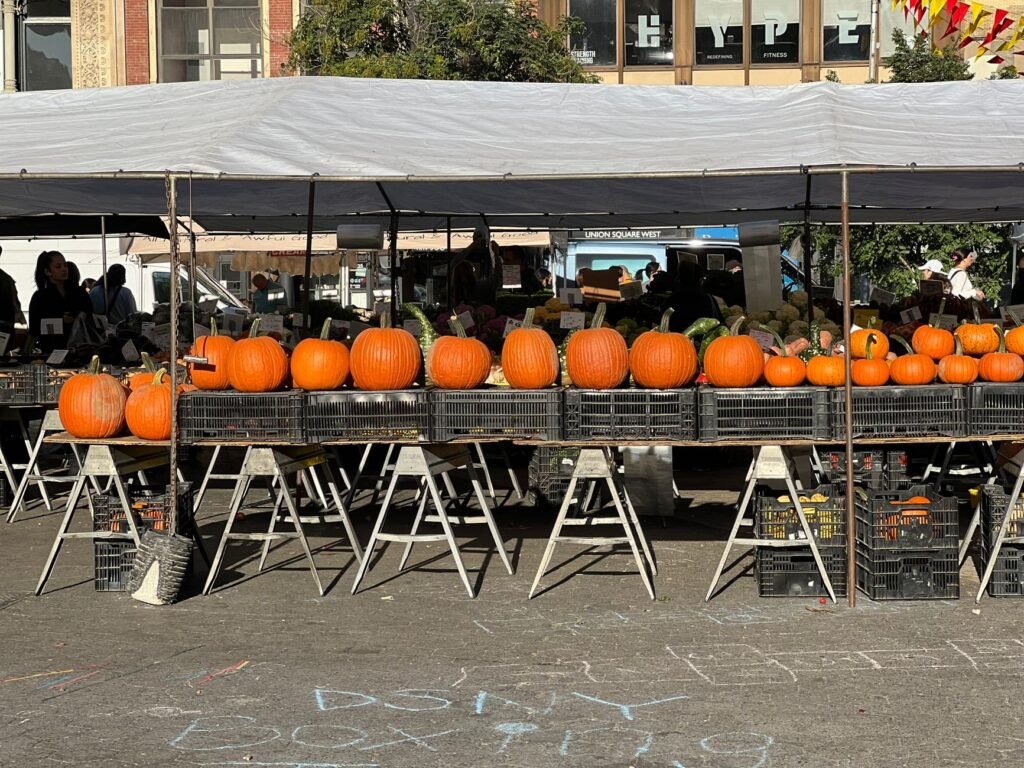
Fruits and vegetables that are in season are usually less expensive and taste better. Shopping at local farmers’ markets can also yield savings and fresher produce.
To take advantage of seasonal shopping:
- Know What’s in Season: Research which fruits and vegetables are in season in your area. These items are often cheaper and more flavorful.
- Visit Farmers’ Markets: Shopping at local farmers’ markets can provide fresh produce at competitive prices.
- Grow Your Own: If you have the space, consider growing your own herbs, vegetables, or fruits. This can be a rewarding way to save on groceries.
Consider Online Grocery Shopping
Online grocery shopping has gained popularity for its convenience and the ability to easily compare prices. Many stores now offer online shopping options, allowing you to avoid impulse purchasing.
When shopping online:
- Compare Prices: Use online tools to compare prices between different stores before making a purchase.
- Look for Discounts: Many online grocery services offer introductory discounts for first-time users.
- Schedule Deliveries: Plan your deliveries for when you will be home to avoid missing your items.
Leverage Technology for Grocery Savings
Use Grocery Apps Effectively
In the digital age, grocery apps have revolutionized the way consumers shop for food. These apps not only help you find the best deals but also allow you to track your spending and manage your grocery lists efficiently. Popular options like Ibotta and Checkout 51 offer cashback on specific items, which can significantly reduce your overall grocery bill.
For optimal savings, consider the following tips when using grocery apps:
- Always check for available deals before heading to the store.
- Link your loyalty card to the app for additional savings.
- Combine app offers with in-store promotions for maximum discounts.
Utilize Price Comparison Tools
Price comparison tools can save you a significant amount of money by ensuring you are getting the best price on the items you need. Websites and apps dedicated to price comparison allow you to search for specific products across different retailers. This strategy can be especially helpful for larger purchases, where a small difference in price can lead to substantial savings.
When using these tools, keep the following tips in mind:
- Check multiple online platforms for the most accurate and comprehensive price comparisons.
- Use filters to compare similar products, ensuring you are looking at equivalent items.
- Be aware of shipping costs when shopping online, as they can offset your savings.
Join Online Grocery Communities
Online grocery communities can be a treasure trove of knowledge when it comes to saving money on groceries. These platforms, often found on social media or dedicated forums, allow users to share tips, tricks, and deals they have discovered. Participating in these communities can not only keep you informed about the latest discounts but also inspire you to try new recipes and products.
To make the most of these communities, consider these approaches:
- Engage actively by asking questions and sharing your own experiences.
- Follow influencers who specialize in budget-friendly meal planning and grocery shopping.
- Take advantage of shared discount codes and group buying opportunities.
Optimize Your Grocery Shopping Routine
Choose the Right Time to Shop
The timing of your grocery shopping can have a significant impact on your overall savings. Research indicates that grocery stores often have sales and clearance items at specific times of the week or month. By planning your shopping trips around these times, you can take advantage of markdowns and special promotions.
Consider these strategies for timing your shopping:
- Shop early in the week when stores restock their shelves and have fresh produce available.
- Take note of when your local store typically marks down items, often late in the day or towards the end of the week.
- Avoid shopping during peak hours, such as weekends, to limit impulse purchases.
Implement a Grocery Shopping Challenge
Participating in a grocery shopping challenge can not only be a fun way to save money but can also help you become more mindful of your spending habits. Challenges may include spending a specific amount for a month, trying to cook with only pantry items, or limiting takeout. These activities can help you discover new recipes and reduce your reliance on pre-packaged meals.
Here are some ideas for grocery shopping challenges:
- Set a monthly grocery budget and track your spending closely.
- Challenge yourself to create meals from a limited set of ingredients.
- Engage friends or family to join, creating a supportive environment for accountability.
Practice Mindful Shopping
Mindful shopping is about being conscious of your purchasing decisions to avoid unnecessary expenses. This practice encourages you to think critically about what you need versus what you want. By focusing on your necessities, you can more effectively prioritize your grocery spending and reduce impulse buys.
To practice mindful shopping, consider the following tips:
- Stick to your shopping list and avoid distractions in the store.
- Reflect on your purchases before checking out; ask yourself if each item is truly necessary.
- Practice gratitude for the food you have, which can reduce the desire to buy more.
Explore Alternative Grocery Options
Consider Community Supported Agriculture (CSA)
Community Supported Agriculture (CSA) programs allow consumers to buy seasonal produce directly from local farmers. By purchasing a share in a farm, you receive a box of fresh fruits and vegetables weekly or bi-weekly. This not only supports local agriculture but can also be a cost-effective way to obtain high-quality produce.
Benefits of participating in a CSA include:
- Access to fresh, organic produce at potentially lower prices than in stores.
- Exposure to a variety of seasonal vegetables that may inspire new cooking habits.
- Strengthening community ties and supporting local economies.
Explore Discount Grocery Stores
Discount grocery stores often provide significant savings on staple items and provide an attractive alternative to traditional supermarkets. These stores may offer smaller selections but can be an effective way to cut your grocery expenses. Many of them focus on essential products, making it easier to stick to a budget.
When shopping at discount stores, keep these tips in mind:
- Familiarize yourself with the layout to quickly locate the items you need.
- Look for clearance sections where further discounts may be available.
- Be open to trying new brands or products that may be less familiar.
Participate in Food Co-ops
Food cooperatives, or co-ops, are community-owned grocery stores that focus on providing locally sourced and organic products. Joining a co-op often requires a membership fee but can lead to significant discounts on purchases. Co-ops may also offer bulk buying options, cooperative purchasing, and educational resources that can help you save money and eat healthier.
Benefits of joining a food co-op include:
- Access to exclusive discounts and member-only deals.
- Opportunities to purchase in bulk, which can lower costs on frequently used items.
- Support for sustainable practices and local farmers.
Be mindful of common grocery shopping mistakes that can inflate your costs.
- Ignoring unit prices when comparing products
- Failing to stick to your shopping list
- Shopping when you're hungry, leading to impulse buys
- Overlooking expiration dates on products, resulting in waste
- Not using available coupons or discounts
Frequently Asked Questions
How can I track my grocery spending?
Tracking your grocery spending can be done by keeping receipts or using budgeting apps. Regularly reviewing your expenses will help you identify spending patterns.
Is it worth it to use coupons?
Yes, using coupons can lead to significant savings over time. However, only use coupons for items you need to avoid overspending on unnecessary products.
What are some tips for reducing food waste?
To reduce food waste, plan meals, store food properly, and use leftovers creatively. Composting can also help reduce waste while benefiting your garden.
How often should I create a new grocery budget?
It is a good practice to review and adjust your grocery budget monthly or quarterly, depending on changes in your income or spending habits.
The Bottom Line
Saving money on groceries requires a combination of planning, budgeting, and smart shopping strategies. By creating a grocery budget, planning meals, utilizing discounts, and considering bulk purchases, you can significantly reduce your grocery expenses. Implement these tips to achieve financial stability while enjoying nutritious meals for you and your family.
Sources and further reading
- CFPB: Your Money, Your Goals toolkit
- CFPB: An essential guide to building an emergency fund
- CFPB: Consumer tools

Peter Igunnu
Peter Igunnu is the founder and editor of GuideToYourMoney. He holds a PhD in Banking and Finance, with research covering financial inclusion, green finance and AI in finance. He writes to make money decisions simpler for everyday readers.


