
Our content is for education only and is not personal financial advice. Some links may earn us a commission at no cost to you, which never affects our recommendations.
Key takeaways
- Understanding your spending habits is crucial.
- Use tools and methods that suit your lifestyle.
- Regularly review and adjust your budget.
- Tracking expenses helps in reaching financial goals.
Managing your finances effectively is a skill that can significantly improve your quality of life. One of the foundational aspects of financial management is tracking your monthly expenses. By keeping a close eye on where your money is going, you can make informed decisions about your spending and saving habits. This guide will provide you with practical tips and tools to help you track your monthly expenses, enabling you to achieve your financial goals.
Tracking your expenses allows you to understand your spending patterns, identify areas where you can cut back, and ultimately save more money. Whether you’re looking to pay off debt, save for a vacation, or build an emergency fund, knowing how to track your expenses is essential. In this article, we will explore various methods for tracking your monthly expenses, the benefits of doing so, and how to analyze your spending effectively.
Before diving into the methods, it’s important to note that every individual’s financial situation is unique. Therefore, you may need to try different approaches to find what works best for you. So, let’s explore the various ways you can track your monthly expenses.
Why Tracking Your Monthly Expenses is Important
Understanding why tracking your monthly expenses is essential can motivate you to develop this habit. Here are some key reasons:
- Awareness of Spending Habits: Keeping track of your expenses helps you become aware of your spending behaviors. You may discover that you’re spending more on non-essentials than you realized.
- Improved Budgeting: With clear insight into your expenses, you can create a more realistic budget that reflects your actual spending patterns. This can help you allocate funds more effectively.
- Financial Goal Achievement: When you have a clear picture of your finances, you can set and work towards specific financial goals, such as saving for a home or retirement.
- Debt Management: Tracking your expenses can help you identify areas where you can cut back and redirect that money towards paying off debts.
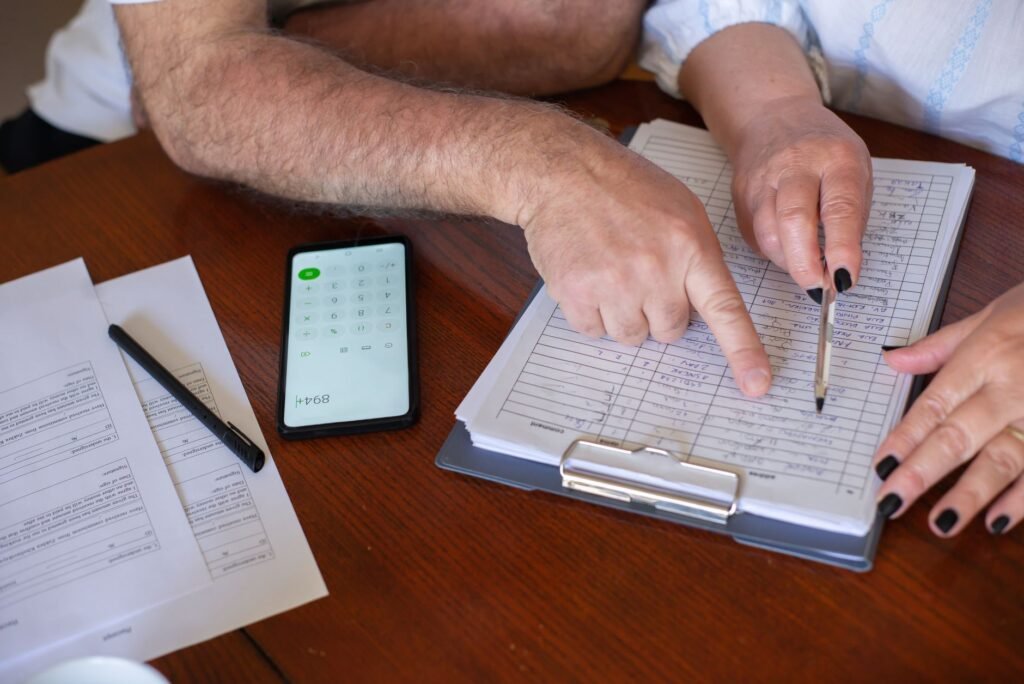
Methods for Tracking Your Monthly Expenses
There are several methods you can use to track your monthly expenses. Here are some popular options:
1. Manual Tracking
One of the simplest methods for tracking expenses is to do it manually. You can use a notebook, a spreadsheet, or even an app to keep a record of your spending. Here’s how to start:
- Choose Your Tracking Tool: Decide whether you want to use a physical notebook, a digital spreadsheet, or an app that suits your needs.
- Record Every Expense: Write down every purchase you make, regardless of how small. This could include coffee, groceries, or online subscriptions.
- Review Regularly: Set aside time each week or month to review your expenses and categorize them. This will help you identify patterns and areas for improvement.
2. Budgeting Apps
In today’s digital age, there are many budgeting apps available that can simplify the tracking process:
- Sync Your Accounts: Many apps allow you to sync your bank accounts and credit cards, automatically categorizing your expenses.
- Set Budgets: You can set spending limits for different categories, such as groceries or entertainment, and the app will notify you when you are nearing those limits.
- Analyze Spending Trends: Most budgeting apps provide insights and reports on your spending trends, making it easier to adjust your budget as needed.
3. Envelope System
The envelope system is a cash-based method for tracking expenses. Here’s how it works:
- Allocate Budget to Envelopes: Divide your monthly budget into different categories and allocate cash into separate envelopes for each category (e.g., groceries, entertainment).
- Spend from Envelopes: Use only the cash from each envelope for its designated purpose. Once the cash is gone, you cannot spend more in that category until the next month.
- Track Leftover Cash: If you have leftover cash at the end of the month, you can choose to roll it over to the next month or reallocate it as needed.

Setting Up Your Expense Categories
To effectively track your monthly expenses, it’s essential to categorize them. Here are some common categories to consider:
| Category | Description |
|---|---|
| Housing | Rent or mortgage payments, property taxes, and maintenance. |
| Utilities | Electricity, gas, water, internet, and phone bills. |
| Groceries | Food and household supplies. |
| Transportation | Gas, public transport, car payments, and insurance. |
| Entertainment | Dining out, movies, hobbies, and subscriptions. |
| Insurance | Health, car, home, and life insurance premiums. |
| Savings | Deposits into savings accounts, retirement accounts, and emergency funds. |
Creating categories allows you to see where your money is going and identify areas where you might be overspending. You can adjust your budget accordingly to prioritize essential expenses and savings goals.

Reviewing and Adjusting Your Budget
Tracking expenses is not a one-time activity; it requires regular review and adjustment. Here’s how to keep your budget relevant:
- Monthly Review: At the end of each month, review your expenses against your budget. Analyze any discrepancies and understand why they occurred.
- Adjust Categories: If you consistently overspend in one category, consider adjusting your budget to allocate more funds or find ways to cut back.
- Set New Goals: As your financial situation changes, update your goals and budget to reflect new priorities, such as saving for a major purchase or paying off debt.
Common Mistakes to Avoid
While tracking expenses is beneficial, there are common pitfalls to be aware of:
- Neglecting Small Expenses: Small purchases can add up quickly, so don’t overlook them. Record every transaction, no matter how minor.
- Inconsistency: Make tracking a regular habit. Inconsistent tracking can lead to an inaccurate understanding of your finances.
- Setting Unrealistic Budgets: Ensure your budget reflects your lifestyle and actual expenses. Setting overly restrictive budgets can lead to frustration and abandonment.
Utilizing Technology to Enhance Expense Tracking
Choosing the Right Apps
In the digital age, there is a plethora of applications designed to help you track your expenses effortlessly. These apps can simplify the process, making it easier to monitor your financial habits. When selecting an app, consider key features such as user-friendliness, compatibility with your devices, and the ability to sync with your bank accounts for automatic updates.
Some popular expense tracking apps include:
- Mint: Offers budgeting tools and tracks spending automatically.
- You Need a Budget (YNAB): Teaches budgeting principles while helping track expenses.
- Expensify: Ideal for business expenses and offers receipt scanning.
Review user ratings and testimonials to find an app that fits your needs and preferences. Many apps also offer free trials, allowing you to test their functionalities before committing.
Integrating Expense Tracking with Financial Goals
Expense tracking should not only be about monitoring spending; it can also serve as a foundation for achieving your financial goals. By integrating your expense tracking with specific financial objectives, such as saving for a vacation or paying off debt, you create a more motivating experience.
Start by defining your financial goals, which could include:
- Building an emergency fund.
- Saving for a down payment on a home.
- Preparing for retirement.
Once you have established your goals, set aside a portion of your tracking efforts to align your spending with these objectives. Regularly review your progress and adjust your budget as necessary to ensure you are on track.
Automating Your Expense Tracking Process
Automation can significantly reduce the time and effort required in tracking expenses. Many financial apps offer features that allow you to automate your expense tracking by linking your bank accounts and credit cards directly to the app. This means every transaction is logged automatically without needing manual entry.
To get started with automating your expense tracking:
- Connect your financial accounts to your chosen app.
- Set up notifications for spending limits to help you stay within budget.
- Review transactions regularly to ensure accuracy and make adjustments as needed.
Automation not only saves time but also helps you maintain a more accurate view of your financial situation without the hassle of manual logging.
Understanding Your Spending Patterns
Analyzing Trends in Your Expenses
Once you have tracked your expenses for a few months, the next step is to analyze the data to understand your spending patterns. Identifying trends in your expenses can provide valuable insights into your financial habits and help you make informed decisions going forward.
Look for categories where you tend to overspend, such as dining out, entertainment, or shopping. It can also be beneficial to observe seasonal variations in your spending. For example, do your utility bills increase during the winter months? Understanding these trends enables you to prepare better and adjust your budget accordingly.
Implementing the 50/30/20 Rule
The 50/30/20 rule is a popular budgeting guideline that can help you allocate your income toward needs, wants, and savings or debt repayment. According to this rule, you should aim to spend:
- 50% of your income on needs (housing, food, utilities).
- 30% of your income on wants (entertainment, dining out, hobbies).
- 20% of your income on savings or debt repayment.
As you track your monthly expenses, evaluate how your spending aligns with the 50/30/20 rule. This framework can help you identify areas where you may need to cut back and encourage a balanced approach to financial management.
Identifying and Eliminating Unnecessary Expenses
Tracking your expenses often uncovers unnecessary spending that may have gone unnoticed. Identifying these expenses is crucial for effective budgeting and financial health. This might include subscriptions you no longer use, impulse purchases, or frequent dining out.
To eliminate unnecessary expenses, consider the following steps:
- Review all your subscriptions and cancel any that you do not use regularly.
- Set limits on discretionary spending categories.
- Implement a waiting period for non-essential purchases to avoid impulse buying.
By taking a proactive approach to eliminate unnecessary expenses, you can free up resources for savings and investments.
Creating a Sustainable Expense Tracking Routine
Establishing a Regular Review Schedule
Consistency is key when it comes to tracking your expenses effectively. Establishing a regular review schedule helps you stay on top of your financial situation and ensures that your tracking efforts do not fall by the wayside. Whether you choose to review your expenses weekly, bi-weekly, or monthly, find a cadence that works for you.
During each review session, you can:
- Analyze your spending against your budget.
- Adjust categories based on changing financial circumstances.
- Set new short-term goals based on past performance.
Creating a ritual around expense tracking can transform it from a chore into a more engaging and proactive financial practice.
Involving a Financial Accountability Partner
Engaging a financial accountability partner can significantly enhance your expense tracking efforts. This could be a friend, family member, or a financial advisor who can help you stay motivated and accountable. Sharing your financial goals and tracking progress with someone else can create a support system that encourages better financial habits.
To make the most of this partnership:
- Schedule regular check-ins to discuss your progress.
- Share insights and tips on managing expenses effectively.
- Encourage one another to maintain discipline in spending.
Having someone to hold you accountable can help reinforce positive behavior and keep you focused on your financial goals.
Adapting Your Expense Tracking to Life Changes
Life is dynamic, and your expense tracking should evolve with your circumstances. Major life events, such as a new job, marriage, or having children, can significantly impact your financial situation. It is essential to reassess your expense tracking methods and budget to reflect these changes.
When experiencing life changes, consider the following adjustments:
- Re-evaluate your income and expenses to accommodate new financial responsibilities.
- Adjust your savings goals in light of new priorities.
- Stay flexible with your budget to allow for unexpected expenses that may arise.
By being proactive and adapting your expense tracking to life changes, you can maintain financial stability and work toward your long-term goals despite shifting circumstances.
Being aware of common mistakes can help you stay on track with your finances.
- Neglecting to track small expenses which can accumulate over time
- Inconsistency in tracking your finances leading to inaccuracies
- Setting unrealistic budgets that are hard to maintain
- Failing to adjust your budget based on actual spending trends
- Ignoring subscription services that may no longer be needed
Frequently Asked Questions
What is the best method for tracking expenses?
The best method for tracking expenses varies by individual. Some prefer manual tracking, while others find budgeting apps more convenient. Experiment to find what suits you best.
How often should I review my expenses?
It’s advisable to review your expenses monthly. This allows you to adjust your budget as needed and stay on top of your financial goals.
Can I track expenses without a budget?
Yes, you can track expenses without a formal budget. However, having a budget can provide context and help you identify areas for improvement.
What if I overspend in a category?
If you overspend, review your budget and spending habits. Consider adjusting your budget, cutting back on non-essential expenses, or reallocating funds from other categories.
The Bottom Line
Tracking your monthly expenses is a crucial step toward achieving financial stability and reaching your financial goals. By understanding your spending habits, utilizing effective tracking methods, and regularly reviewing your budget, you can make informed decisions about your money. Whether you choose to track manually, use budgeting apps, or adopt the envelope system, find what works best for you and stick with it. Remember, the more aware you are of your financial situation, the better equipped you’ll be to make smart financial choices.
Sources and further reading
- CFPB: Your Money, Your Goals toolkit
- CFPB: An essential guide to building an emergency fund
- CFPB: Consumer tools

Peter Igunnu
Peter Igunnu is the founder and editor of GuideToYourMoney. He holds a PhD in Banking and Finance, with research covering financial inclusion, green finance and AI in finance. He writes to make money decisions simpler for everyday readers.


