
Our content is for education only and is not personal financial advice. Some links may earn us a commission at no cost to you, which never affects our recommendations.
Key takeaways
- Evaluate and choose the right transportation mode.
- Reduce vehicle-related expenses effectively.
- Utilize public transport and alternative options.
Transportation is a significant aspect of personal finance that many people overlook. From commuting to work to running errands, the costs associated with getting from point A to point B can add up quickly. Whether you own a car, take public transportation, or rely on rideshare services, understanding how to save money on transportation is essential for managing your overall budget. In this guide, we will explore various strategies to help you reduce these costs while maintaining your convenience and safety.
In today’s fast-paced world, avoiding transportation expenses can seem challenging, but with the right approach, you can find numerous opportunities to save. By evaluating your current transportation habits, exploring alternative options, and making informed decisions, you can significantly trim your transportation budget. This article will provide you with actionable tips, practical advice, and insights that can lead to substantial savings over time.
Let’s dive into the various ways you can save money on transportation, making it easier to manage your finances effectively.
Assessing Your Transportation Needs
Before you can effectively save money on transportation, it’s crucial to assess your current transportation needs. Understanding how and why you travel can help identify areas where you can cut costs. Start by asking yourself a few key questions:
- What is your primary mode of transportation?
- How often do you travel for work or leisure?
- Are there alternative options available for your daily commute?
By answering these questions, you can begin to pinpoint where your money is going and how you can save. For instance, if you rely heavily on personal vehicles for commuting, you might want to consider the costs associated with vehicle ownership, such as fuel, maintenance, insurance, and parking.
On the other hand, if you predominantly use public transportation, evaluate the effectiveness of your current routes and consider if there are cheaper fare options available, such as monthly passes or discounts for frequent travelers. Understanding your transportation habits will provide a solid foundation for making informed changes.
Evaluating Transportation Options
Once you have a clear understanding of your transportation needs, the next step is to evaluate the available options. Depending on your location, there may be several modes of transportation to consider:
- Personal Vehicle: Owning a car provides flexibility but comes with various costs. Calculate the total cost of ownership, including insurance, fuel, maintenance, and depreciation.
- Public Transportation: Buses, subways, and trains can be more economical choices. Research local public transport options and compare their costs against your current expenses.
- Carpooling: Sharing rides with coworkers or friends can significantly reduce costs associated with fuel and parking. Look for carpool programs in your area or establish one with colleagues.
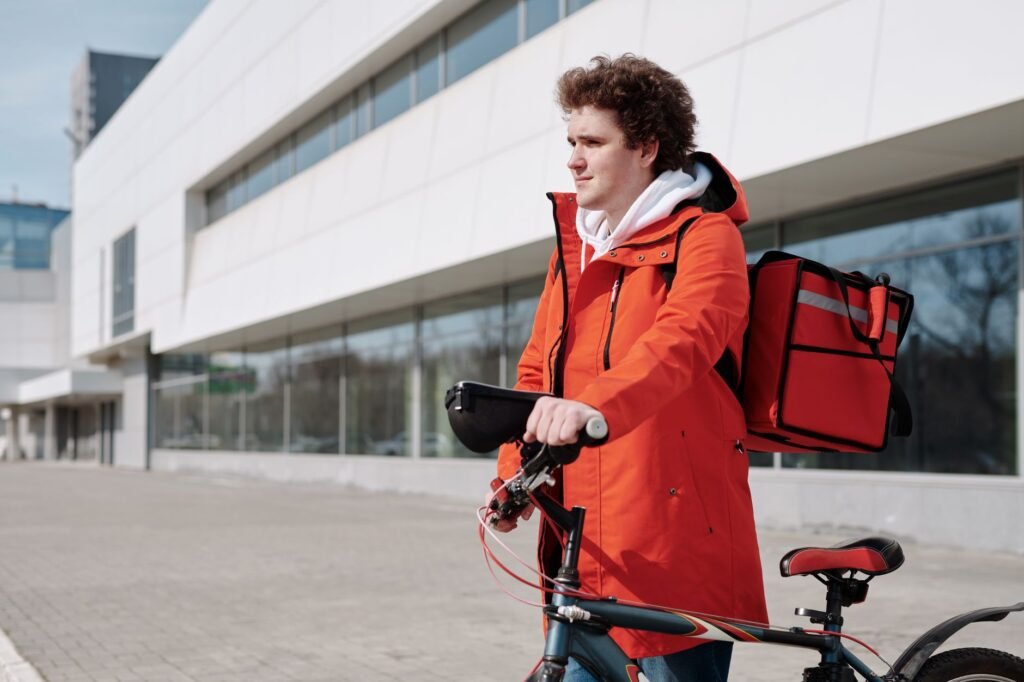
- Biking: For shorter distances, biking can be a cost-effective and healthy alternative. Consider investing in a quality bike and appropriate safety gear.
- Rideshare Services: Apps like Uber and Lyft can be convenient, but costs can accumulate quickly. Use these services sparingly and only when necessary.
By evaluating these options, you can determine which method or combination of methods best suits your lifestyle. For example, if you find that public transportation is significantly cheaper than maintaining a personal vehicle, it may be worth making the switch.
Reducing Vehicle Ownership Costs
If you decide that owning a vehicle is still the best option for you, there are several strategies to reduce the associated costs:
1. Shop Around for Insurance
Insurance rates can vary significantly between providers. Take the time to compare rates from different companies to ensure you are getting the best deal. Additionally, check if you qualify for any discounts, such as safe driver discounts or bundling policies.
2. Maintain Your Vehicle
Regular maintenance can prevent costly repairs down the road. Follow the manufacturer’s maintenance schedule for oil changes, tire rotations, and other services. Keeping your vehicle in good condition can also improve fuel efficiency.
3. Monitor Fuel Expenses
Fuel is one of the most significant ongoing costs associated with vehicle ownership. To save money on gas, consider the following:
- Use fuel-efficient driving techniques, such as avoiding rapid acceleration and maintaining steady speeds.
- Sign up for loyalty programs at gas stations for discounts and rewards.
- Utilize apps that track gas prices in your area to find the cheapest options.
Utilizing Public Transportation Effectively
If you opt for public transportation, there are several ways to maximize your savings:
1. Purchase Monthly Passes
Many public transportation systems offer monthly or annual passes that provide significant savings over purchasing single rides. If you use public transport regularly, this can be a smart investment.
2. Plan Your Routes
Take the time to familiarize yourself with public transport routes and schedules. Planning your trips in advance can help you avoid unnecessary transfers and delays, making your travel more efficient.
3. Take Advantage of Discounts
Many transit authorities offer discounts for students, seniors, and low-income individuals. Check to see if you qualify for any of these options, which can further reduce your transportation expenses.

Carpooling and Ride-Sharing
Carpooling and ride-sharing can provide significant savings while also reducing traffic congestion and environmental impact. Here are some tips to consider:
1. Organize a Carpool Group
If you work with others who live nearby, consider organizing a carpool group. This can help you share the costs of fuel and parking while also providing companionship during your commute.
2. Use Rideshare Apps Wisely
While rideshare services offer convenience, they can quickly become expensive. To minimize costs, consider:
- Pooling rides with other users through the app’s carpool feature.
- Scheduling rides during non-peak hours when fares are lower.
- Taking advantage of promotional offers and discounts from rideshare companies.
3. Explore Local Carpool Programs
Many communities have organized carpool programs that can connect you with others looking to share rides. Check local resources or community boards to find opportunities.
Exploring Alternative Transportation Solutions
Sometimes, stepping outside traditional transportation methods can lead to significant savings. Consider the following alternatives:
1. Biking and Walking
Biking or walking for short distances not only saves money but also promotes physical health. Invest in a reliable bike and safety gear if you plan to make this a regular part of your routine.
2. Telecommuting
If your job allows it, consider negotiating the option to work from home part-time or full-time. This can eliminate commuting costs entirely and provide more flexibility in your schedule.
3. Electric Scooters and Shared Bikes
In many urban areas, electric scooters and shared bikes are available for rent. These can be cost-effective options for short trips, helping you avoid parking fees and fuel costs.
Understanding the True Cost of Transportation
When considering transportation expenses, it’s essential to look beyond just the gas or public transit fares. The true cost of transportation encompasses several factors that can significantly affect your overall budget.
Hidden Costs of Vehicle Ownership
Many vehicle owners are surprised to learn about the various hidden costs associated with owning a car. These costs can add up quickly and should be included in any budget calculations. Key hidden costs include:
- Insurance: The type of coverage you choose can greatly influence your monthly premiums.
- Maintenance: Regular servicing, oil changes, and unexpected repairs can be costly.
- Depreciation: The value of your vehicle decreases over time, impacting your net worth.
- Registration and Taxes: Annual fees can also take a bite out of your transportation budget.
By understanding these hidden costs, you can make more informed decisions about whether to keep your vehicle or explore alternative transportation options.
Evaluating Your Lifestyle Choices
Your lifestyle choices play a significant role in your transportation costs. Consider how your daily activities and commuting patterns impact your expenses. For example:
- Work Location: If you can work remotely, this could eliminate commuting costs altogether.
- Social Activities: Planning activities closer to home can reduce travel expenses.
- Shopping Habits: Consolidating errands into one trip can save both time and fuel.
By evaluating your lifestyle choices, you can identify opportunities to reduce your transportation expenses while maintaining a fulfilling life.
Leveraging Technology for Cost Savings
Technology has revolutionized how we manage transportation, offering various tools that can help you save money. From apps that track expenses to services that promote carpooling, technology can be a powerful ally in reducing transportation costs.
Expense Tracking Applications
Using expense tracking applications can help you gain insights into your transportation spending. Many apps allow you to categorize your expenses, set budgets, and monitor your spending habits over time. Some popular options include:
- Mint: Offers comprehensive financial tracking and budgeting features.
- YNAB (You Need A Budget): Focuses on proactive budgeting and expense monitoring.
- Expensify: Ideal for tracking specific travel-related expenses.
By analyzing your transportation-related expenses through these apps, you can identify areas where you can cut back and save.
Navigation and Route Optimization Tools
Staying efficient while traveling can significantly impact your transportation costs. Navigation apps can help you choose the best routes to avoid traffic, reduce fuel consumption, and save time. Some effective tools include:
- Google Maps: Offers real-time traffic updates and alternative route suggestions.
- Waze: Community-driven app that provides alerts on traffic conditions and road hazards.
- Citymapper: Great for public transport users, offering comprehensive route options.
By optimizing your routes, you can minimize fuel consumption and wear-and-tear on your vehicle, ultimately saving money.
Eco-Friendly Transportation Choices
Adopting eco-friendly transportation options not only benefits the environment but can also lead to significant savings. By considering green alternatives, you can reduce your overall transportation costs while contributing to a sustainable future.
Investing in a Fuel-Efficient Vehicle
If you are in the market for a new vehicle, consider investing in a fuel-efficient model. Hybrids and electric vehicles often have lower operating costs due to less fuel consumption and, in some cases, tax incentives. Factors to consider include:
- Fuel Economy: Look for vehicles with high miles per gallon ratings.
- Maintenance Costs: Research models known for reliability and lower maintenance expenses.
- Resale Value: Consider how well the vehicle retains its value over time.
By choosing a fuel-efficient vehicle, you can save on gasoline and reduce your environmental impact.
Participating in Eco-Friendly Programs
Many municipalities offer programs that encourage eco-friendly transportation practices. Participating in these programs can lead to financial incentives or discounts. Consider options such as:
- Bike Share Programs: Many cities offer bike-sharing services at a low cost.
- Carpool Incentives: Some employers provide benefits for carpooling or using public transport.
- Green Commuter Programs: Initiatives that promote using electric vehicles or public transport.
By taking advantage of these programs, you can reduce your transportation costs while supporting sustainable practices.
Maximizing Fuel Efficiency
Understanding Your Driving Habits
Your driving habits play a significant role in fuel consumption. To maximize fuel efficiency, consider evaluating how you drive daily. Aggressive acceleration and hard braking can reduce your vehicle’s mileage by up to 30%.
- Maintain a steady speed.
- Avoid excessive idling.
- Plan your trips to minimize stop-and-go traffic.
By incorporating these practices, you can improve fuel economy and ultimately save money at the pump.
Regular Vehicle Maintenance
Keeping your vehicle in top shape can significantly impact fuel efficiency. Regular maintenance, such as oil changes, air filter replacements, and tire rotations, helps ensure your vehicle runs smoothly. Under-inflated tires can lower fuel economy by 0.2% for every 1 PSI drop in pressure.
- Check tire pressure monthly.
- Follow the manufacturer’s maintenance schedule.
- Use the right motor oil for your vehicle.
Investing time in maintenance can lead to long-term savings by preventing more significant issues down the line.
Exploring Car Financing Options
Understanding Loan Types
If you need to finance a vehicle, understanding the different loan types is crucial. There are secured loans, where the vehicle serves as collateral, and unsecured loans, which typically have higher interest rates. Shop around to find favorable terms, as even a slight difference in interest rates can mean substantial savings over time.
- Research credit unions for lower rates.
- Compare offers from multiple lenders.
- Consider a longer loan term for lower monthly payments, but be aware of the total interest paid.
Negotiating the Best Deal
When purchasing a vehicle, negotiation is key. Knowing the fair market value of the car can empower you during the buying process. Don’t be afraid to walk away if the offer doesn’t meet your budget or needs.
- Use online tools to assess vehicle value.
- Be prepared to negotiate trade-in values separately.
- Explore seasonal sales and promotions for better deals.
Utilizing Employer Benefits
Commuter Benefits Programs
Many employers offer commuter benefits programs that help offset transportation costs. These programs may provide pre-tax deductions for public transit passes or reimbursements for parking expenses. Taking advantage of these benefits can lead to substantial savings annually.
- Check if your employer offers commuter benefits.
- Understand the eligibility requirements.
- Keep track of your commuting expenses for reimbursement.
Flexible Work Arrangements
Negotiate flexible work hours or remote work options if possible. Reducing the number of days spent commuting can significantly decrease transportation costs. Additionally, this flexibility can improve work-life balance and decrease stress levels.
- Discuss telecommuting options with your employer.
- Consider adjusting your work hours to avoid peak traffic times.
- Use saved commuting time for productive activities.
Be cautious of common mistakes that can inflate your transportation costs.
- Neglecting regular vehicle maintenance leading to costly repairs
- Overlooking hidden costs like insurance and depreciation
- Using rideshare services too frequently without comparing costs
- Failing to utilize available public transportation discounts
- Not planning trips efficiently, resulting in wasted fuel
Frequently Asked Questions
What is the best way to save on transportation costs?
The best way to save on transportation costs is to assess your needs and explore alternative options such as public transportation, carpooling, or biking, while also reducing vehicle ownership expenses if applicable.
How can I reduce my car insurance premiums?
You can reduce your car insurance premiums by shopping around for better rates, maintaining a clean driving record, increasing deductibles, and taking advantage of available discounts.
Are monthly public transportation passes worth the investment?
If you use public transportation frequently, monthly passes can be a cost-effective option as they often provide substantial savings compared to single-ride fares.
What should I consider before switching to biking?
Before switching to biking, consider the distance of your commute, local bike infrastructure, your comfort level with cycling, and the initial costs of purchasing a bike and safety gear.
The Bottom Line
Saving money on transportation is achievable with careful planning and strategic decisions. By evaluating your transportation needs, exploring various options, and being mindful of associated costs, you can significantly reduce your expenses. Whether you choose to rely on public transport, carpool, bike, or maintain a personal vehicle, there are numerous ways to save money while still meeting your transportation needs. Start implementing these strategies today to take control of your transportation budget and enhance your overall financial health.
Sources and further reading
- CFPB: Your Money, Your Goals toolkit
- CFPB: An essential guide to building an emergency fund
- CFPB: Consumer tools

Peter Igunnu
Peter Igunnu is the founder and editor of GuideToYourMoney. He holds a PhD in Banking and Finance, with research covering financial inclusion, green finance and AI in finance. He writes to make money decisions simpler for everyday readers.


