
Our content is for education only and is not personal financial advice. Some links may earn us a commission at no cost to you, which never affects our recommendations.
Key takeaways
- Evaluate and adjust your usage habits.
- Invest in energy-efficient appliances.
- Consider renewable energy options.
Utility bills can be a significant part of your monthly expenses, encompassing electricity, water, gas, and even internet services. As costs continue to rise, finding ways to save money on utilities becomes increasingly important for managing your personal finances. In this guide, we will explore practical strategies to help you reduce your utility bills without sacrificing comfort or convenience.
Understanding your utility bills is the first step towards effective savings. Many people pay these bills without fully grasping how their usage translates into costs. By becoming more conscious of your energy and water consumption, you can identify areas for improvement. Whether you are looking to lower your electricity bills or reduce your water usage, our tips will provide actionable insights to help you achieve your goals.
From simple changes in your daily habits to more significant investments in energy-efficient appliances, there are many ways to cut costs. Let’s delve into the various strategies you can implement to save money on utilities.
Know Your Usage
The first step in saving money on utilities is to understand your consumption patterns. By reviewing your utility bills, you can identify trends in your usage and pinpoint areas where you can improve. Here are some key steps to take:
- Track Your Bills: Keep a record of your monthly utility bills to identify fluctuations and trends over time. This will help you understand your baseline usage.
- Identify Peak Usage: Analyze when your utilities are highest. For example, electricity usage may spike in the summer due to air conditioning. Knowing this can help you make adjustments during peak times.
- Use Smart Meters: If available, utilize smart meters that provide real-time data on your energy usage. This can help you make informed decisions about when to use energy-intensive appliances.
Understanding Your Energy Costs
Electricity bills typically include various charges, such as usage, distribution, and taxes. Familiarize yourself with these components to gain a better understanding of what you’re paying for:
- Base Charges: This is a fixed fee charged by your utility provider regardless of usage. Know this fee to understand your minimum monthly cost.
- Usage Charges: Most of your bill will come from how much energy you consume, usually measured in kilowatt-hours (kWh). Monitor your usage to find ways to cut back.
- Time-of-Use Rates: Some utilities charge different rates based on the time of day. If your provider offers this, consider shifting energy usage to off-peak hours for savings.
Make Energy-Efficient Upgrades
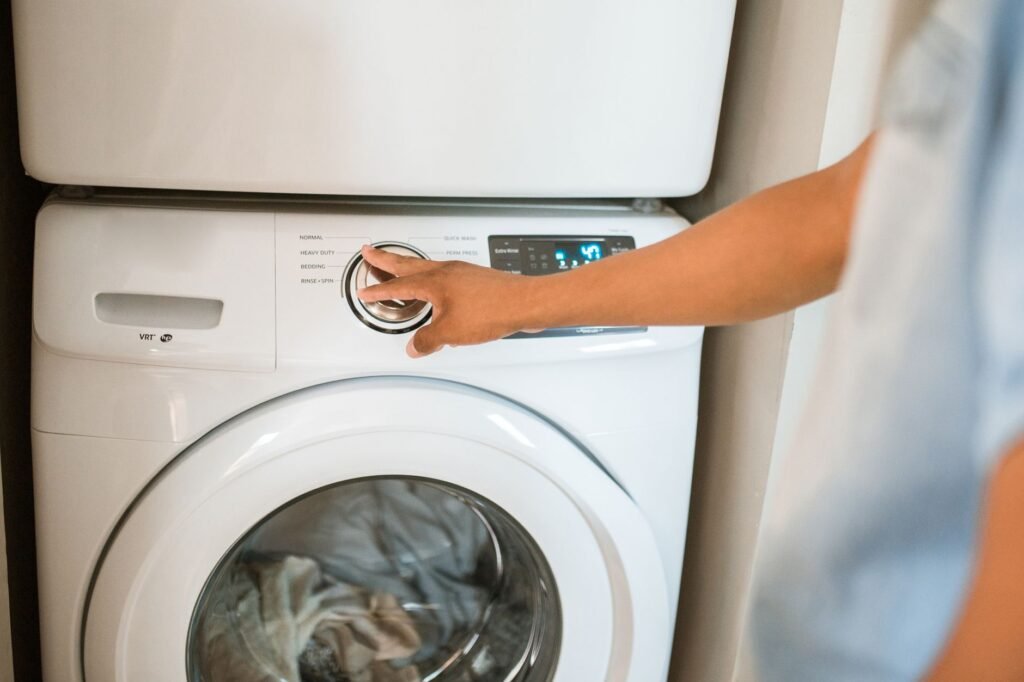
Investing in energy-efficient appliances and systems can lead to substantial savings on your utility bills. Energy-efficient products use less energy, which translates into lower monthly costs. Here are some upgrades to consider:
- Energy Star Appliances: Look for the Energy Star label when purchasing new appliances. These products meet strict efficiency guidelines set by the U.S. Environmental Protection Agency.
- LED Lighting: Replace incandescent bulbs with LED lights. LEDs use up to 80% less energy and last significantly longer, making them a smart investment.
- Smart Thermostats: Consider installing a smart thermostat that can learn your schedule and adjust heating and cooling accordingly. This can significantly reduce your energy usage.
Adjust Your Daily Habits
Changing your daily habits can have a profound impact on your utility bills. Here are some simple adjustments you can make:
- Reduce Water Usage: Take shorter showers, fix leaks, and use water-saving fixtures to lower your water bill. Consider collecting rainwater for outdoor use.
- Unplug Devices: Many devices continue to draw power when plugged in, even if they are turned off. Unplug chargers and electronics when not in use or use a smart power strip.
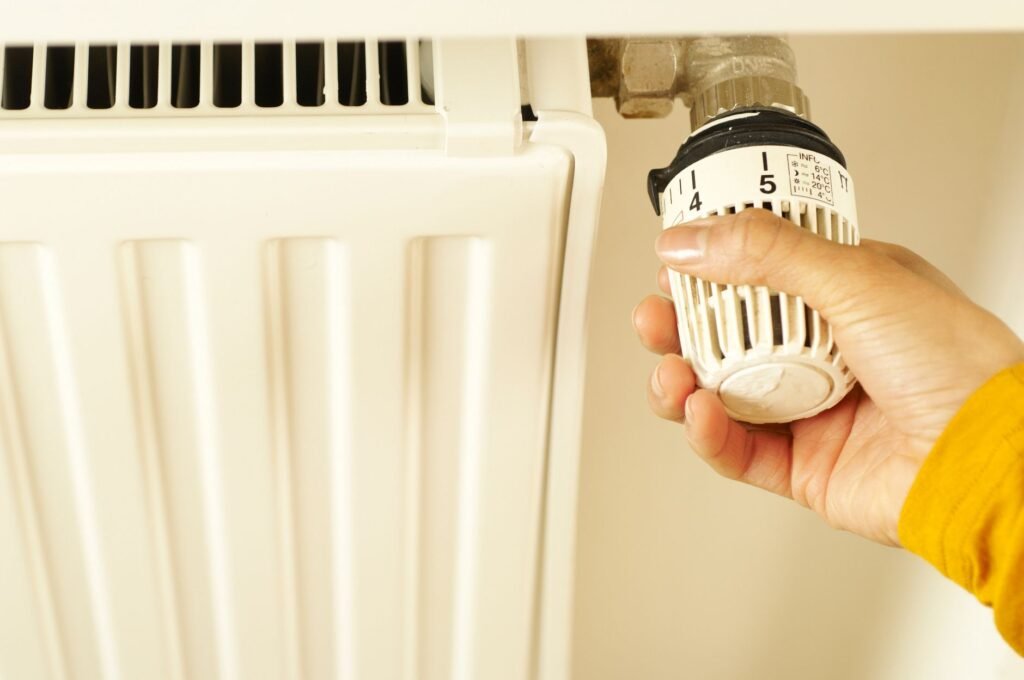
- Adjust Thermostat Settings: Set your thermostat a few degrees higher in the summer and lower in the winter. Even small adjustments can lead to significant savings over time.
Consider Renewable Energy Options
Incorporating renewable energy sources into your home can reduce your dependency on traditional utility services. Here are a few options to explore:
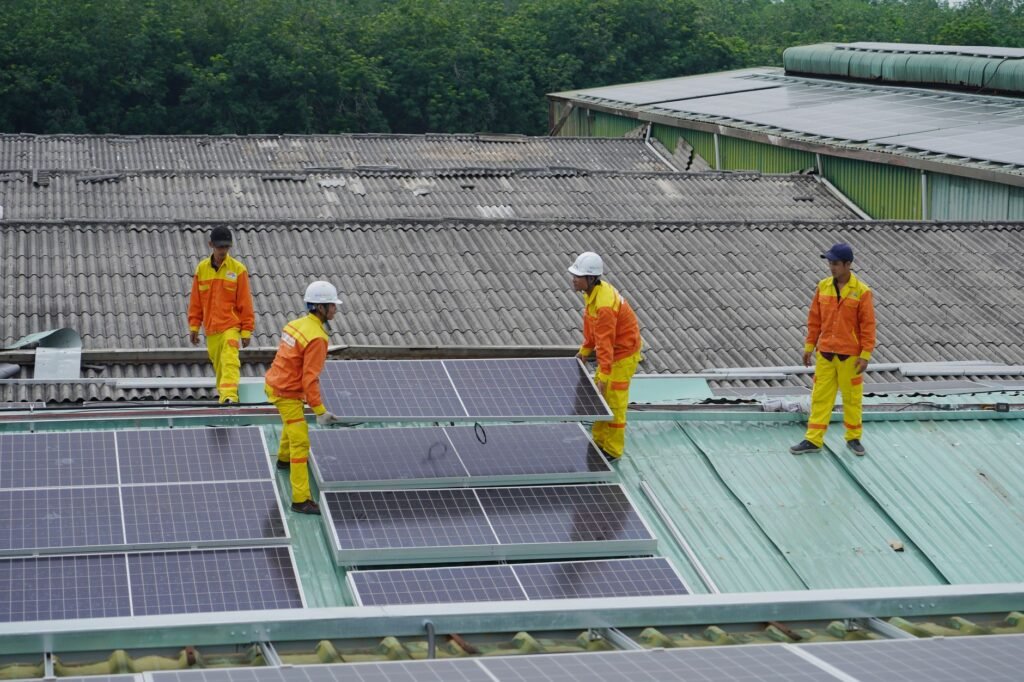
- Solar Panels: Installing solar panels can significantly decrease your electricity bills. Many states also offer incentives for solar energy installations.
- Solar Water Heaters: These systems harness solar energy to heat water, which can reduce your water heating costs.
- Community Solar Programs: If installing solar panels isn’t feasible, look into community solar programs that allow you to buy into shared solar energy projects.
Review Your Utility Plans
Utility companies often offer various plans that can affect your monthly bill. Regularly reviewing your utility plans can help you find the best option for your usage needs:
- Compare Providers: If you live in an area with multiple electricity providers, compare their rates and services. You may find a better deal that suits your consumption patterns.
- Look for Discounts: Some utility companies offer discounts for low-income households or programs for energy efficiency improvements. Check if you qualify for any assistance programs.
- Review Rates Periodically: Utility rates can change, so it’s wise to review your bill and compare it to other offerings at least once a year.
Utilize Budgeting Tools
Effective budgeting can help you manage your utility expenses more efficiently. Here are some tools and strategies you can use:
- Monthly Budgeting: Create a monthly budget that includes all your utility bills. This will help you allocate funds appropriately and avoid surprises.
- Automated Tracking: Use apps or tools that automatically track your utility expenses. This can provide insights into your spending patterns and help you identify areas for improvement.
- Set Savings Goals: Establish specific savings targets for your utility bills. This can motivate you to find additional ways to cut costs.
Explore Renewable Energy Options
Understanding Solar Power
Solar energy has gained significant traction as a viable alternative for reducing utility expenses. By harnessing the power of the sun, homeowners can significantly cut down on their electricity bills. Installing solar panels may involve an initial investment, but the long-term savings can be substantial. Typically, solar panels can reduce electricity costs by a significant percentage, depending on location and energy consumption.
Moreover, many states offer incentives such as tax credits or rebates that can help offset the upfront costs. It’s advisable to research local policies and consult with providers to determine the best solar options for your home. Additionally, consider the orientation of your roof and the amount of sunlight it receives, as these factors can greatly influence the efficiency of solar panels.
Exploring Wind Energy
For those living in areas with consistent wind patterns, small residential wind turbines can be an excellent choice for generating electricity. These turbines can provide a portion of your energy needs, reducing reliance on the grid and lowering utility bills. Before investing in a wind turbine, evaluate local zoning laws and regulations, as these can affect installation.
Homeowners should also consider their average wind speed and the size of the turbine required to meet energy needs effectively. A wind energy assessment can help determine the feasibility and potential savings associated with this investment. Many homeowners find that even a small turbine can lead to significant annual savings on their electricity costs.
Community Solar Programs
If installing solar panels or wind turbines isn’t feasible for your home, community solar programs present an alternative. These programs allow individuals to invest in a shared solar array, deriving benefits from the energy produced while avoiding the costs associated with installation. Participants typically receive credits on their utility bills based on their share of the solar energy generated.
- Research local community solar programs to find options available in your area.
- Compare the benefits and costs associated with participation.
- Assess how much of your energy needs can be met through these programs.
Leverage Smart Technology
Smart Thermostats
Investing in a smart thermostat can lead to significant savings on heating and cooling costs. These devices learn your schedule and preferences, allowing them to adjust the temperature automatically for maximum efficiency. By minimizing energy use during times when you’re not home or when you’re sleeping, smart thermostats can lower your utility bills without sacrificing comfort.
Many smart thermostats can be controlled via smartphone apps, providing convenience and enabling you to adjust settings remotely. Additionally, several models offer energy reports that can help you understand your usage patterns and identify areas for improvement. Planning to install a smart thermostat can be a strategic move toward more controlled energy consumption.
Smart Power Strips
Phantom loads from electronics left plugged in can account for a surprising amount of energy usage. Smart power strips help combat this issue by cutting power to devices when they are not in use. This technology can be particularly effective for home offices, entertainment systems, and other areas with multiple electronics.
When selecting a smart power strip, look for features such as surge protection, energy monitoring, and the ability to control devices remotely. Savings may vary based on usage, but reducing phantom loads can contribute to lower energy bills over time.
Home Automation Systems
Integrating a home automation system can streamline energy management across various devices. Systems that connect lighting, heating, cooling, and other appliances can be programmed to operate efficiently based on your routines or preferences. For example, you can schedule lights to turn off during the day or adjust the thermostat before you arrive home.
- Consider compatibility with existing devices when selecting a home automation system.
- Choose a system that offers energy monitoring to track savings.
- Explore options for voice control or integration with other smart home technologies.
Implement Water-Saving Strategies
Install Low-Flow Fixtures
Water usage is a significant component of utility expenses, but implementing water-saving fixtures can dramatically reduce consumption. Low-flow showerheads, faucets, and toilets are designed to use less water without sacrificing performance. For instance, low-flow showerheads can reduce water usage by up to 50% compared to conventional models.
When selecting fixtures, look for the WaterSense label, which indicates that they meet efficiency criteria set by the Environmental Protection Agency. While the initial cost may be higher than standard fixtures, the reduction in water bills will quickly offset this investment.
Rainwater Harvesting
Rainwater harvesting is an innovative way to utilize natural resources for non-potable water needs, such as landscaping or irrigation. Installing a rain barrel can help collect water from your roof, providing a sustainable source for watering gardens and lawns. This practice not only reduces water bills but also promotes environmental sustainability.
Ensure your rain collection system complies with local regulations and consider installing a filtration system if you plan to use the water for more than basic irrigation. Being mindful of your water usage can lead to substantial savings over time.
Regular Leak Checks
Leaks in plumbing can lead to wasted water and inflated utility bills. Conducting regular checks for leaks in faucets, toilets, and pipes is essential for maintaining efficiency. Even a small leak can waste gallons of water over time, resulting in higher costs.
- Periodically inspect all faucets and toilets for signs of leaks.
- Monitor your water meter regularly to detect unusual spikes in usage.
- Consider consulting a professional if you suspect significant plumbing issues.
Be cautious of these common money mistakes when managing your utility expenses.
- Ignoring energy usage patterns leading to higher bills
- Failing to compare utility providers for better rates
- Overlooking available discounts or assistance programs
- Neglecting regular checks for leaks that can inflate water bills
- Not utilizing energy-efficient upgrades despite their long-term savings
Frequently Asked Questions
How can I reduce my electricity bill quickly?
Start by unplugging devices that are not in use, switching to LED bulbs, and adjusting your thermostat settings. Additionally, consider using appliances during off-peak hours.
Are energy-efficient appliances worth the investment?
Yes, while they may have a higher upfront cost, energy-efficient appliances typically save you money on utility bills over time and can often qualify for rebates.
What are the benefits of a smart thermostat?
Smart thermostats can learn your heating and cooling preferences, allowing for more efficient temperature management, which can lead to significant savings on your energy bill.
How often should I review my utility bills?
It’s a good practice to review your utility bills monthly to track your usage and costs. Additionally, conduct a more thorough review at least once a year to consider changing providers or plans.
The Bottom Line
Saving money on utilities requires a combination of understanding your usage, making informed choices about appliances, and adjusting daily habits. By implementing the strategies outlined in this guide, you can lower your utility bills and increase your overall financial health. Start by tracking your usage, exploring energy-efficient upgrades, and considering renewable energy options. With a proactive approach, you can achieve significant savings on your utility expenses.
Sources and further reading
- CFPB: Your Money, Your Goals toolkit
- CFPB: An essential guide to building an emergency fund
- CFPB: Consumer tools

Peter Igunnu
Peter Igunnu is the founder and editor of GuideToYourMoney. He holds a PhD in Banking and Finance, with research covering financial inclusion, green finance and AI in finance. He writes to make money decisions simpler for everyday readers.


